How to Spot Root Rot and Fungal Growth on Mature Water Oaks in North Georgia
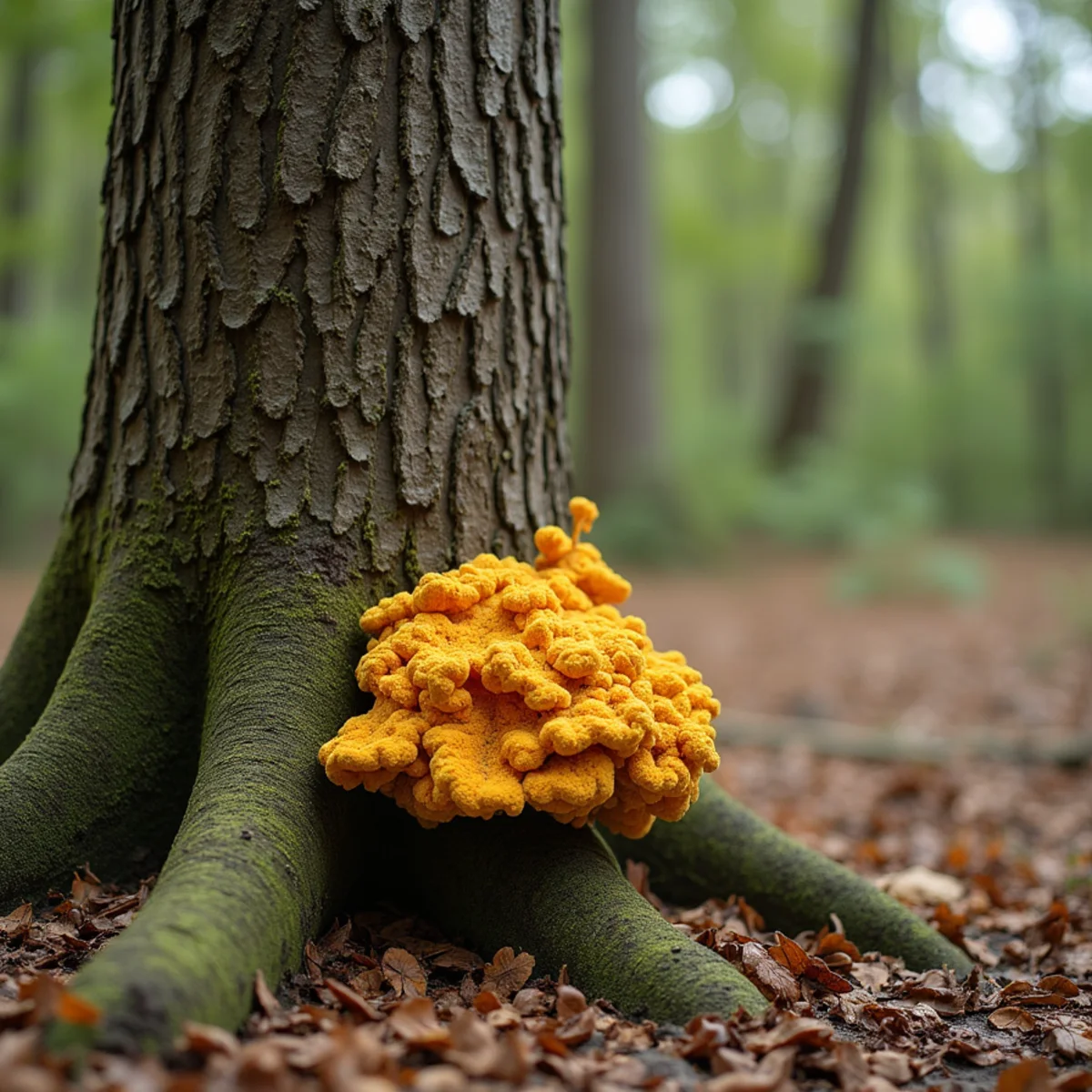
The warning signs of root rot in North Georgia water oaks are mushrooms or shelf-like fungal conks at the base, soft or hollow-sounding lower trunk wood, a thinning canopy with early fall color, and a new lean with cracked or heaving soil. Together they mean a professional assessment is overdue.
Why Water Oaks Are Especially Vulnerable
Water oaks grow fast and shade a yard beautifully, which is why they were planted all over metro Atlanta decades ago. The trade-off is that they're relatively short-lived and prone to internal decay as they age. Many of the water oaks over Atlanta homes today are at or past their comfortable lifespan.
In Georgia's wet clay soils, root rot is the quiet killer. The tree can look full and green up top while its roots and lower trunk are being hollowed out from within.
The Signs to Watch For
Start at the base. Mushrooms or hard, shelf-like fungal conks growing on the root flare or lower trunk are a serious red flag — they're the fruiting bodies of decay fungi already at work inside the wood. Soft, spongy, or hollow-sounding wood near the base is another warning.
Look up next. A thinning canopy, undersized leaves, early fall color, or dead branches in the upper crown all suggest the roots can no longer support the tree. Cracks in the trunk, a sudden lean, or soil heaving on one side of the base can mean the root plate is failing.
None of these signs alone is a death sentence, but together they tell a story. A tree with conks at the base and dieback up top deserves a professional look sooner rather than later.
Why It Matters After a Storm
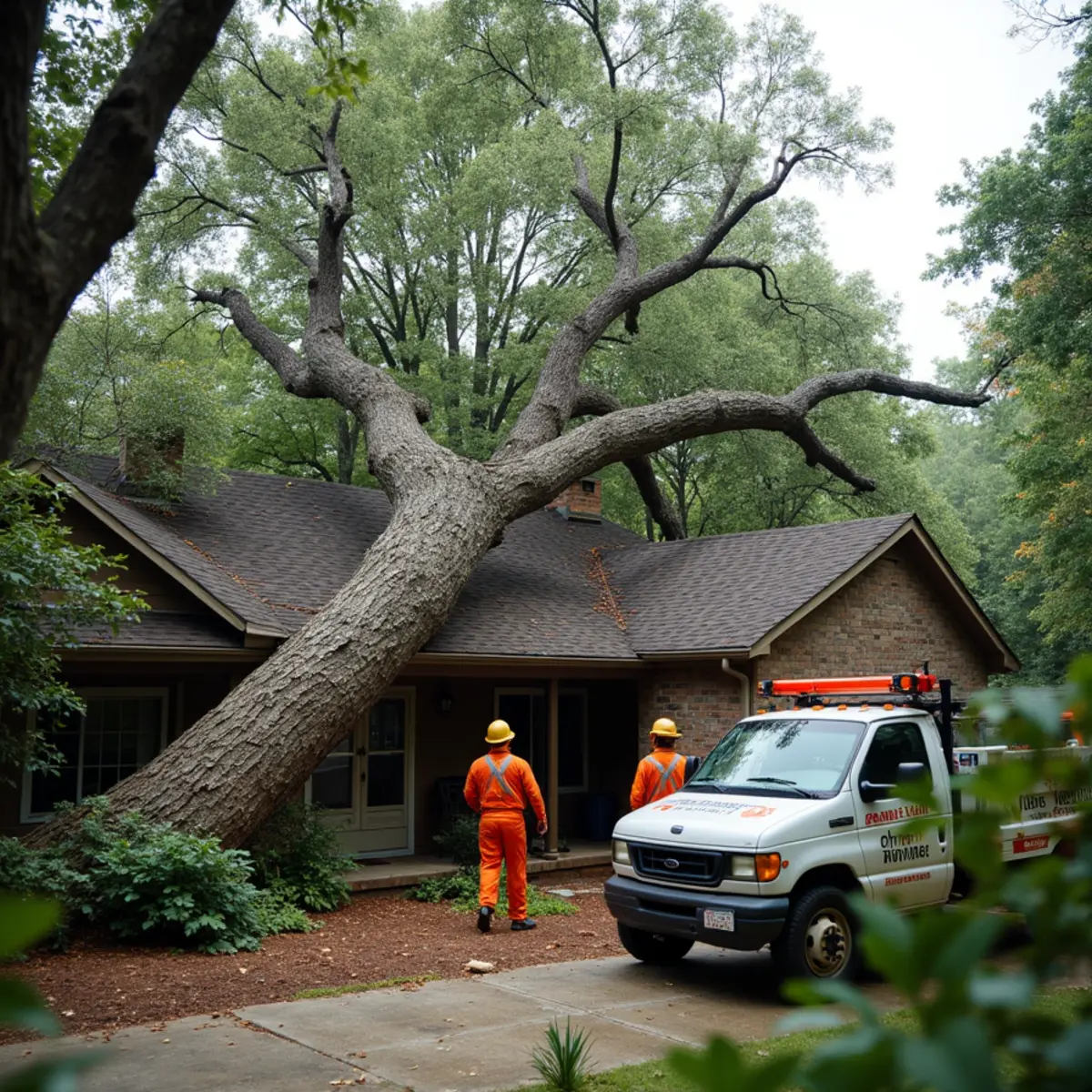
A decayed water oak is a storm waiting to cash in. Saturated soil after heavy north Georgia rain loosens an already-compromised root plate, and the next gust does the rest. These are the trees that fail on calm-looking days and land on houses.
That's why we recommend having mature water oaks assessed periodically, especially the big ones leaning over your roof or your neighbor's. Catching decay early gives you options — from targeted pruning to planned removal — instead of an emergency.
Root Rot Warning Signs, From the Ground Up
- Mushrooms or hard, shelf-like conks on the root flare or lower trunk
- Soft, spongy, or hollow-sounding wood when you tap the base
- Thinning canopy, undersized leaves, or early fall color up top
- Dead branches concentrated in the upper crown
- A new or increasing lean with cracked or lifted soil on one side
- Fine roots exposed or decaying where the trunk meets the ground
Can a Declining Water Oak Be Saved?
Not every struggling water oak is doomed. Early decline — a little canopy thinning, some scattered deadwood — can sometimes be managed with proper pruning, improved soil conditions, and time. The question is always how much sound wood remains and whether the roots can still support the tree.
Advanced root rot, though, generally can't be reversed. Once decay fungi have hollowed the root flare and lower trunk, the priority shifts from saving the tree to managing the risk it poses to whatever stands beneath it. An honest assessment tells you which situation you're in — and preserves your options while you still have them.
What a Professional Assessment Adds
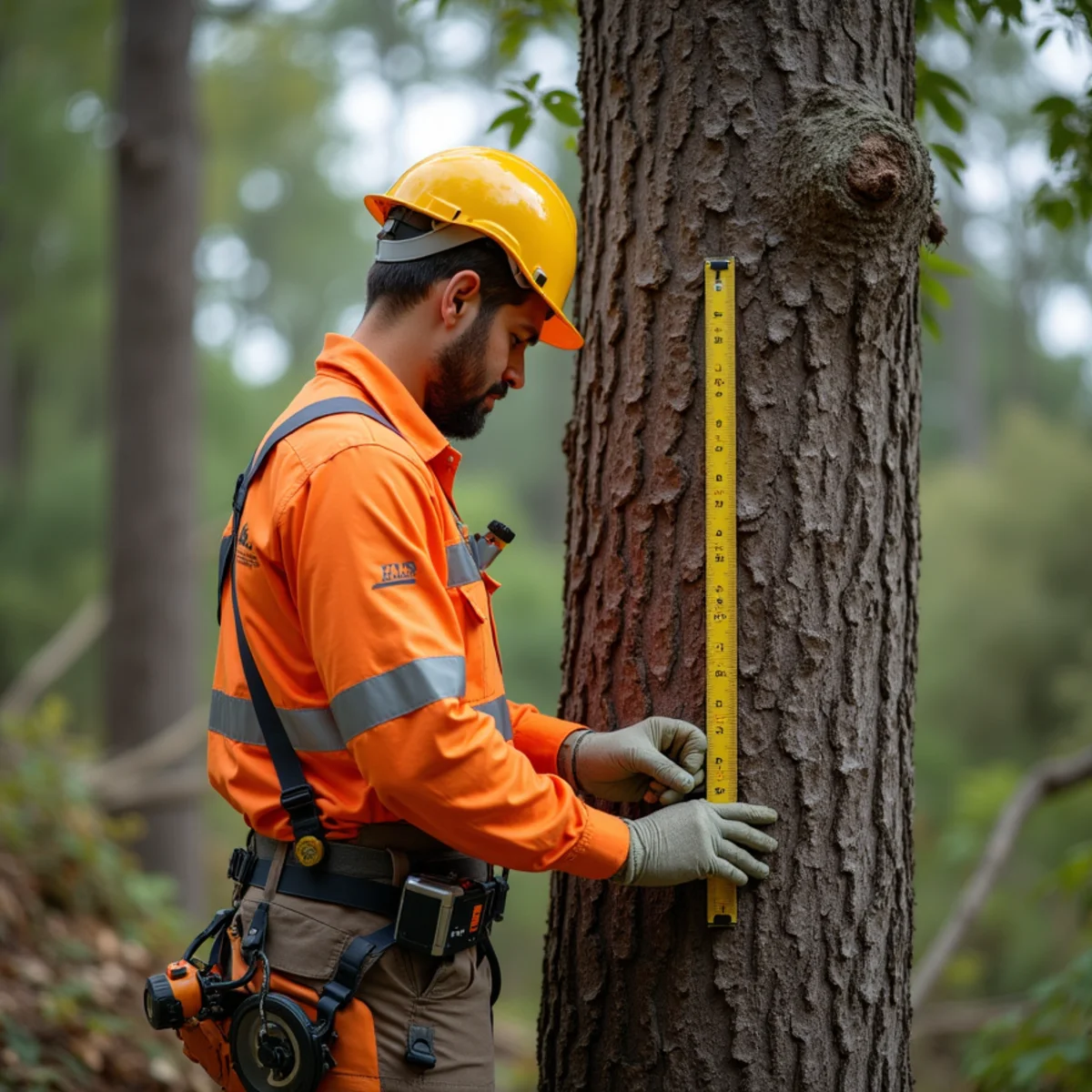
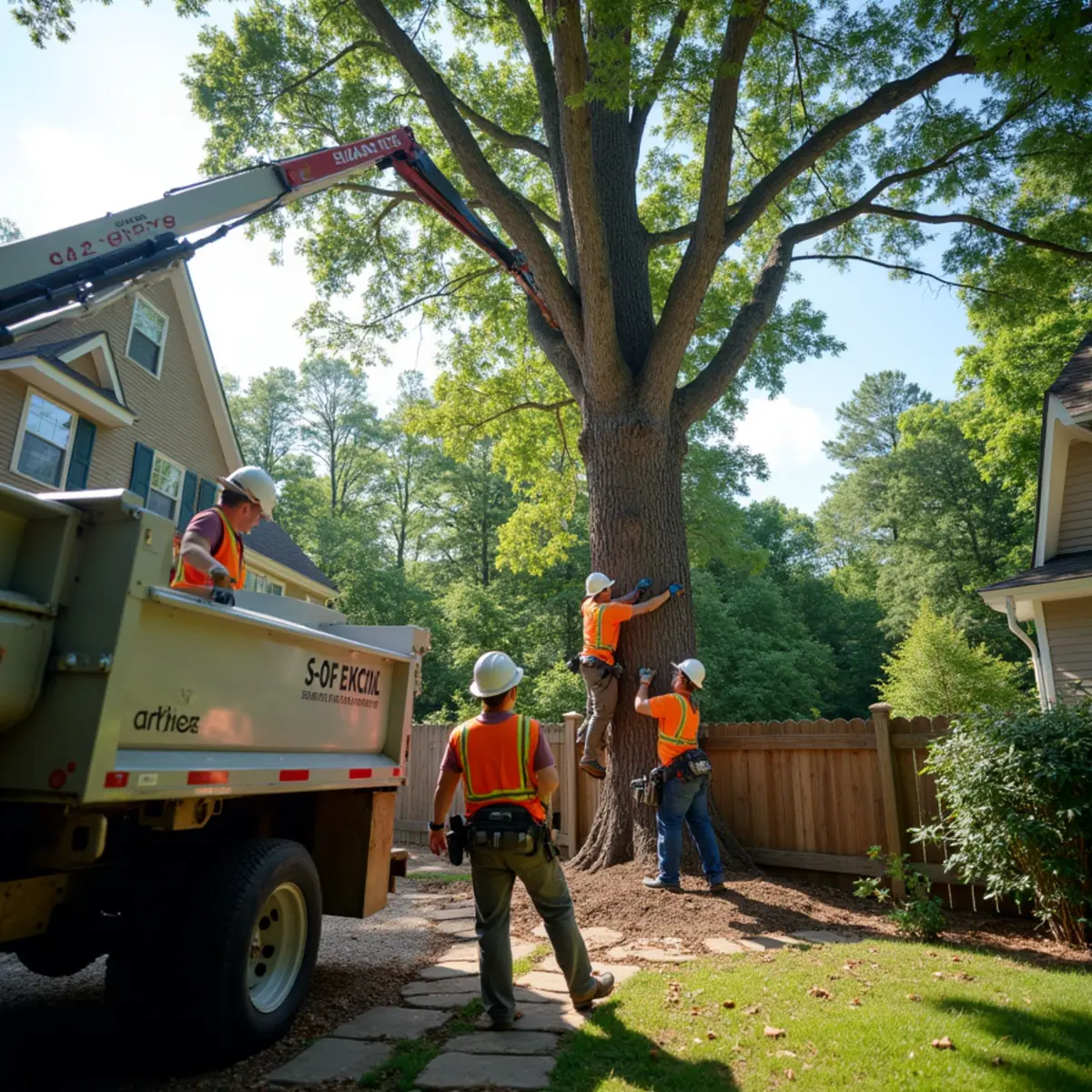
From the ground you can spot the outward signs, but judging how much sound wood remains takes experience and sometimes specialized tools. A qualified crew weighs the extent of decay against the target below — your house, the driveway, the play area — before recommending pruning, cabling, or removal.
Not every water oak with conks needs to come down tomorrow, but one with basal conks and upper-canopy dieback deserves a look before storm season. Catching it early gives you options instead of an emergency, and it protects whatever stands within falling distance.
The Bottom Line
A decayed water oak is a storm waiting to cash in, and the outward signs give you time to act if you're watching for them. If you see conks at the base, canopy dieback, or a new lean on a mature oak over your home, don't wait for the next storm — call Costeño Tree Services at (855) 615-0568 for a free assessment.
How Costeño Tree Services Can Help
Related services and areas covered in this article:
Frequently Asked Questions
Sometimes early decline is manageable, but advanced root rot generally can't be reversed. The priority becomes assessing failure risk. A professional evaluation tells you whether it's still safe.
They can be. Fungal conks on the root flare often indicate active internal decay. It's worth having the tree assessed before it becomes a hazard.
Every 3–5 years for most mature Atlanta hardwoods, and sooner if you see conks, dieback, or a new lean. Call (855) 615-0568 for a free assessment.
About the Author
Costeño Tree Services
Costeño Tree Services is a locally owned, fully licensed and insured tree care company serving metro Atlanta since 2019. Our crews perform tree removal, pruning, stump grinding, and 24/7 storm response every day across Fulton, Cobb, DeKalb, and Gwinnett counties, following ANSI A300 pruning practices and ANSI Z133 safety standards. This guide is reviewed and updated as Atlanta rules and conditions change.