Proper Tree Pruning Techniques for Atlanta Hardwoods: Avoid Lion-Tailing and Weak Shoots
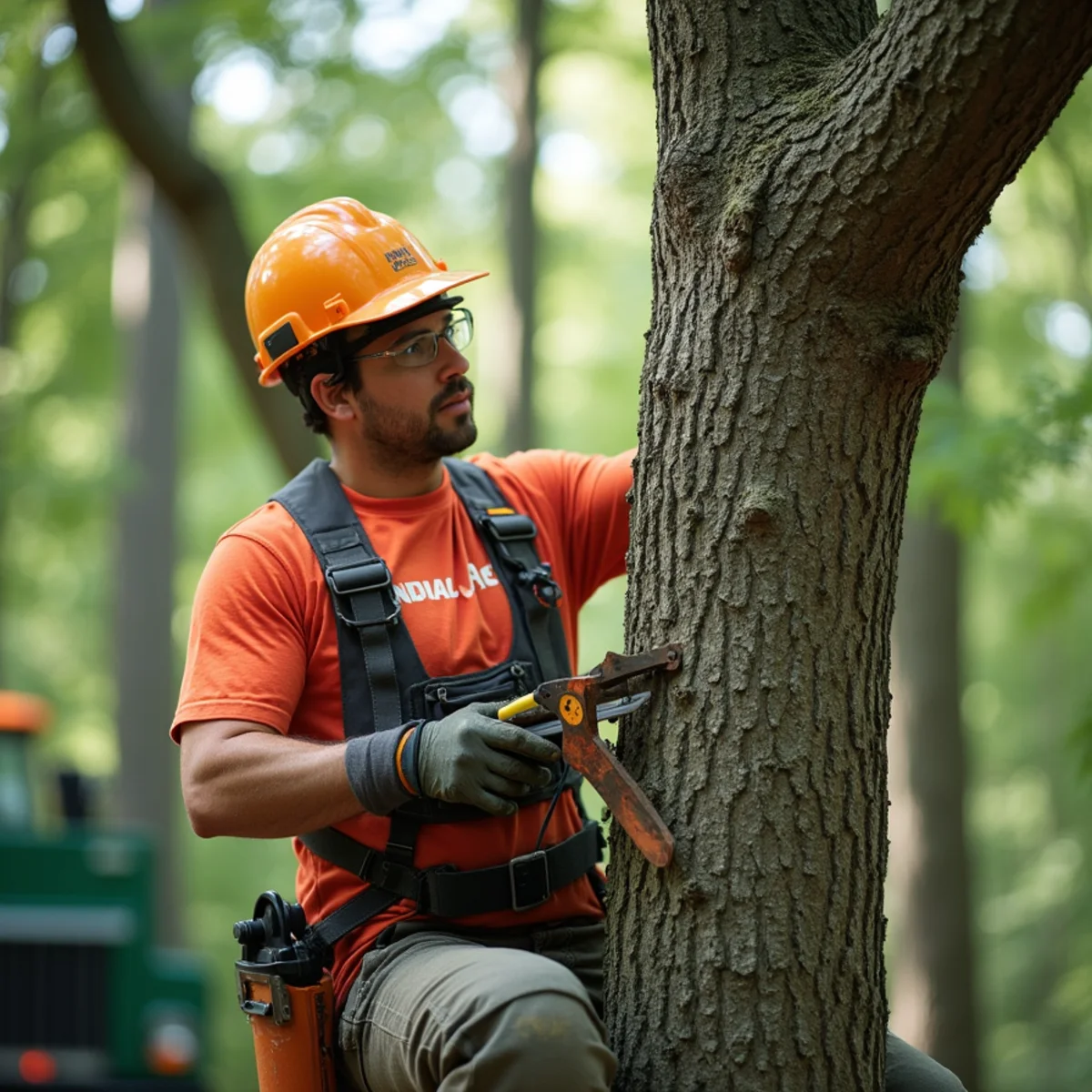
Proper pruning of Atlanta hardwoods removes deadwood, thins the canopy selectively, and reduces overextended limbs by cutting back to healthy laterals — never to stubs. Avoid topping and lion-tailing: both weaken the tree, invite decay, and actually increase failure risk in wind. Good pruning follows ANSI A300 and is measured, not aggressive.
Why Pruning Technique Matters So Much
Pruning is the most misunderstood service in tree care. Cut in the right place and a tree seals the wound and grows stronger; cut in the wrong place and you invite decay, weak regrowth, and future failures. On Atlanta's big, valuable hardwoods, the difference is worth real money.
The two most common mistakes we're called to fix are topping and lion-tailing. Both look like 'a lot of trimming got done,' and both quietly harm the tree.
The Mistakes: Topping and Lion-Tailing
Topping cuts branches back to stubs to reduce height fast. The tree responds with a burst of weak, upright shoots that are poorly attached and prone to failure — and the large open wounds are an invitation to rot. It creates the exact hazard it was supposed to prevent.
Lion-tailing is subtler: a crew strips out all the interior branches, leaving foliage only at the ends of the limbs, like a lion's tail. It looks 'clean,' but it moves all the weight to the branch tips, removes the interior growth that gives a limb strength, and actually makes the tree more likely to fail in wind.
How It Should Be Done
Proper pruning removes deadwood, thins selectively throughout the canopy, and reduces overextended limbs by cutting back to healthy lateral branches — never random stubs. Cuts are made just outside the branch collar so the tree can seal them. The goal is a balanced canopy that keeps its natural shape and structure.
For height and clearance, crown reduction achieves what people ask topping to do, but the right way: a lower, safer profile that keeps the tree healthy. And the amount removed matters — taking too much foliage at once stresses the tree, so good pruning is measured, not aggressive.
Pruning Mistakes to Avoid on Big Hardwoods
- Topping — cutting to stubs, which triggers weak regrowth and decay
- Lion-tailing — stripping interior branches so weight shifts to the tips
- Flush cuts that remove the branch collar and prevent sealing
- Removing too much live foliage at once, stressing the tree
- Random heading cuts that leave no healthy lateral to take over
- Climbing spikes on a tree that isn't being removed
Why Lion-Tailing Is the Sneaky One
Topping looks obviously brutal, so most homeowners know to avoid it. Lion-tailing is subtler and often sold as 'cleaning up' a tree: a crew strips all the interior branches, leaving foliage only at the ends of the limbs, like a lion's tail. It photographs clean, and it's exactly wrong.
Interior growth is what gives a limb its strength and taper. Move all the weight to the tips and you get long, whippy branches that catch wind like sails and snap at the attachment. On Atlanta's tall water oaks and willow oaks, lion-tailing makes the very failures it was supposed to prevent more likely, not less.
How Much to Remove, and When
Less than most people think. Removing more than about a quarter of a mature tree's live canopy in one season stresses it, so good pruning is selective and spread over years, not done all at once. Deadwood can come out any time; heavier structural work on oaks is timed to reduce disease and stress.
For height and clearance, crown reduction achieves what people ask topping to do — a lower, safer profile — but by cutting back to healthy laterals so the tree keeps its structure and heals. Cuts made just outside the branch collar seal cleanly, which is the whole game with a valuable hardwood.
The Bottom Line
Good pruning makes an Atlanta hardwood stronger; topping and lion-tailing make it dangerous. Before anyone touches your trees, ask whether the work follows ANSI A300 and how much they plan to remove. For standards-based pruning that protects the value of your canopy, call Costeño Tree Services at (855) 615-0568 for a free assessment.
How Costeño Tree Services Can Help
Related services and areas covered in this article:
Frequently Asked Questions
Lion-tailing strips out interior branches, leaving foliage only at the limb tips. It shifts weight to the ends and removes structural growth, making the tree more likely to fail in wind, not less.
For most Atlanta hardwoods, no — crown reduction is the healthier way to lower a tree. A few species tolerate hard pruning, and we'll tell you honestly what your tree can handle.
Less than most people think. Removing too much foliage stresses a tree. Good pruning is measured and selective. Call (855) 615-0568 for an assessment.
About the Author
Costeño Tree Services
Costeño Tree Services is a locally owned, fully licensed and insured tree care company serving metro Atlanta since 2019. Our crews perform tree removal, pruning, stump grinding, and 24/7 storm response every day across Fulton, Cobb, DeKalb, and Gwinnett counties, following ANSI A300 pruning practices and ANSI Z133 safety standards. This guide is reviewed and updated as Atlanta rules and conditions change.