Surviving Severe Georgia Ice Storms: Why Pine Trees Snap and Hardwoods Drop Limbs
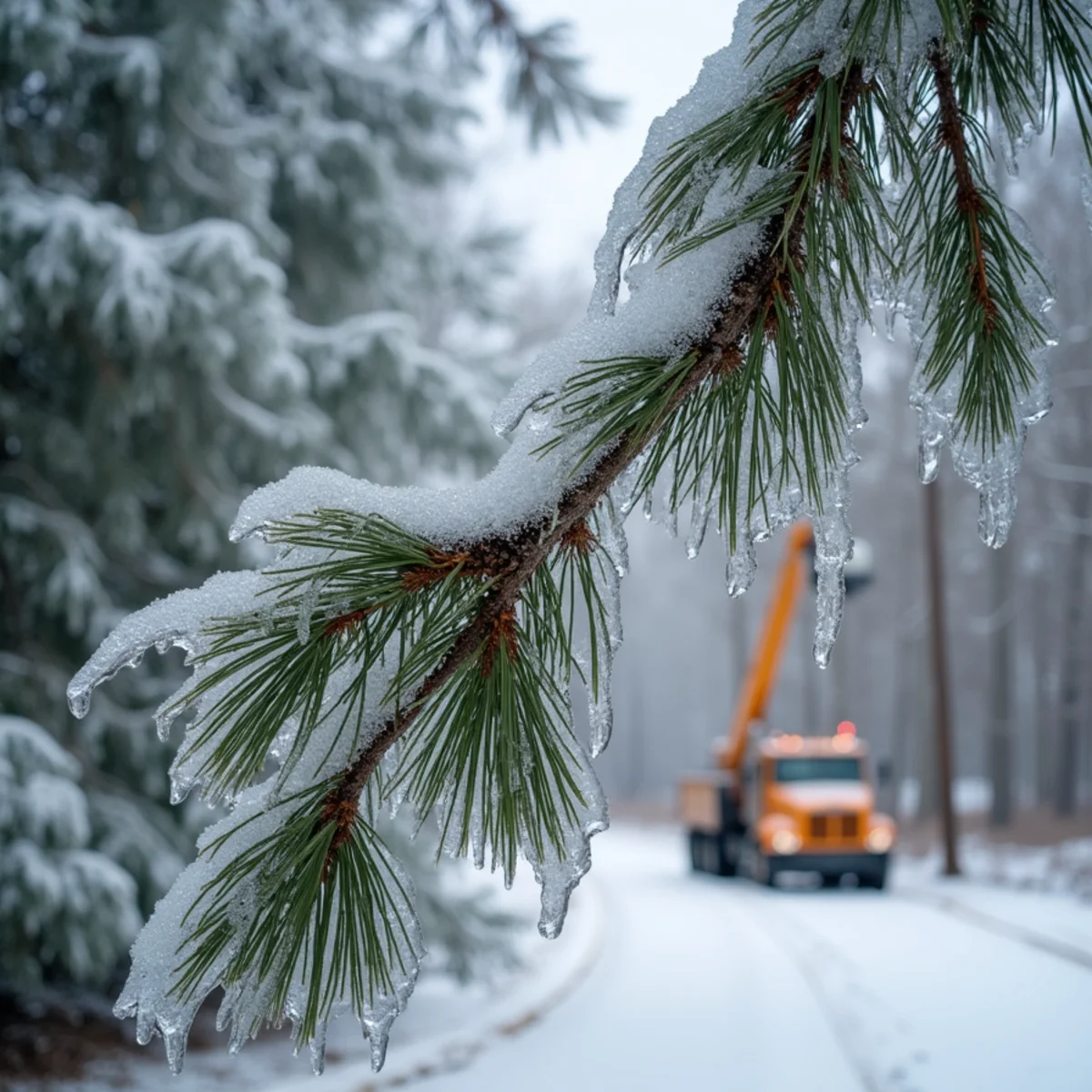
Georgia ice storms snap pines and break hardwood limbs because a quarter-inch of ice can add hundreds of pounds to a canopy. Tall loblolly pines catch the load and snap, often high up; spreading hardwoods shed limbs at their weakest attachments. Removing deadwood and thinning dense canopies before winter cuts the risk.
How Ice Overloads a Tree
Ice storms are deceptively destructive. A quarter-inch of ice can add hundreds of pounds to a tree's canopy, and Georgia's storms sometimes deposit far more. That weight turns flexible branches into brittle, overloaded levers, and the failures come fast once a threshold is crossed.
North Georgia sits in a zone where winter systems can bring exactly the wrong mix — temperatures hovering around freezing with rain that coats every twig. When that happens, the tree damage can rival a windstorm.
Why Pines and Hardwoods Fail Differently
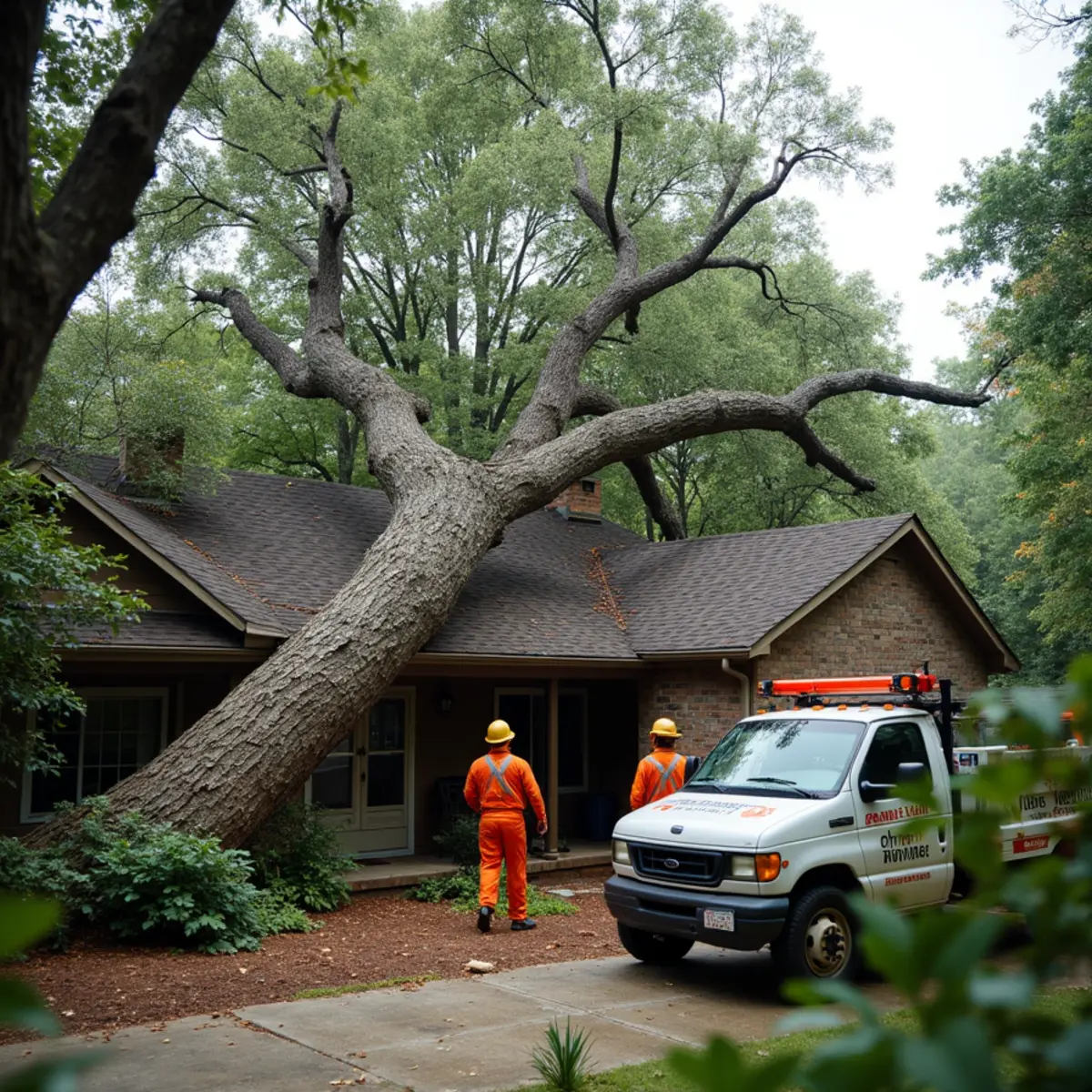
Tall loblolly pines tend to snap. Their height and top-heavy crowns catch a huge ice load, and the trunk or top gives way — often well up the tree. A snapped pine top can spear straight down through a roof.
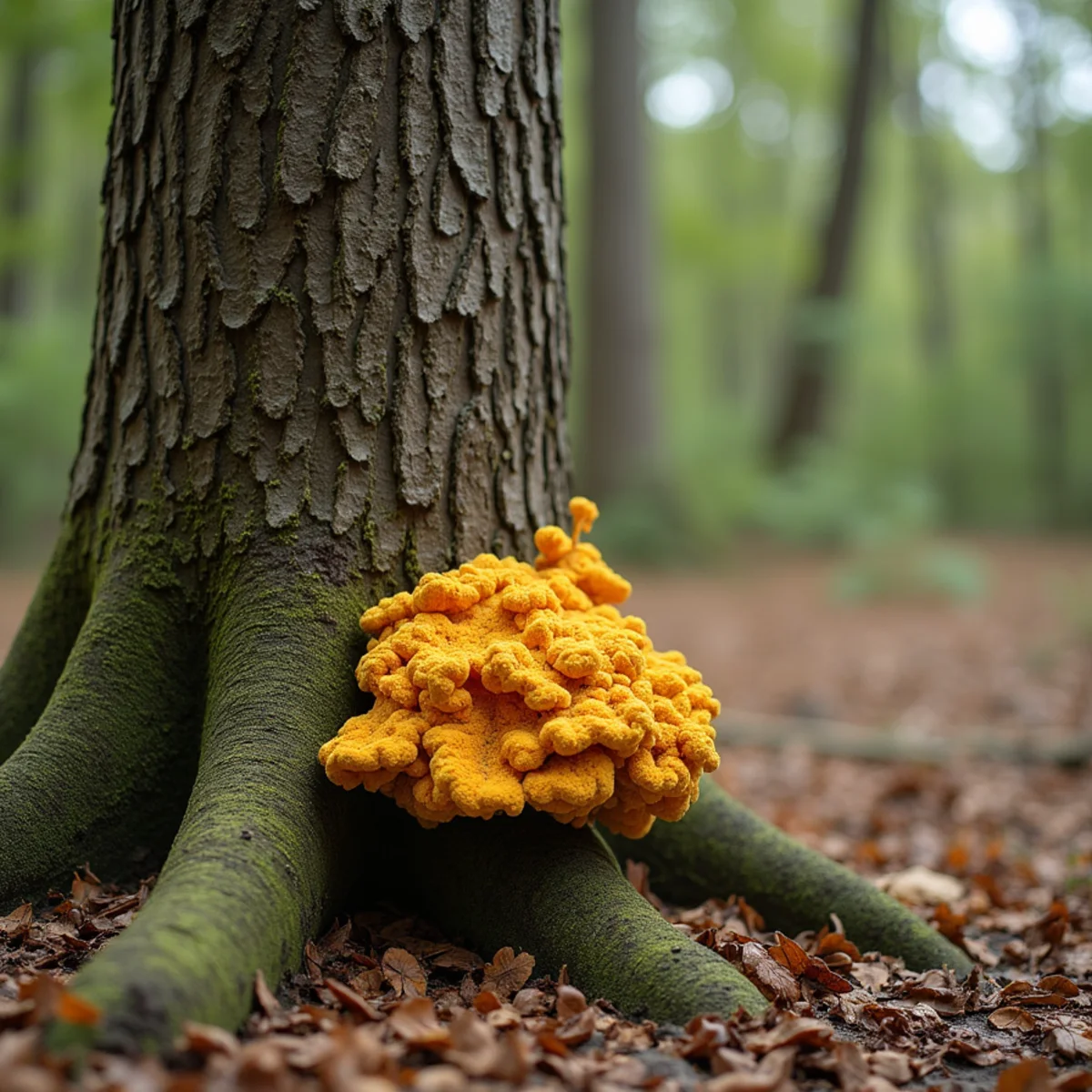
Hardwoods more often shed limbs. Their spreading branches accumulate ice along their length, and the weakest attachments — co-dominant unions, old wounds, dead limbs — break first. Trees that were already carrying deadwood or structural flaws are the ones that fail worst.
Reducing the Risk Before Winter
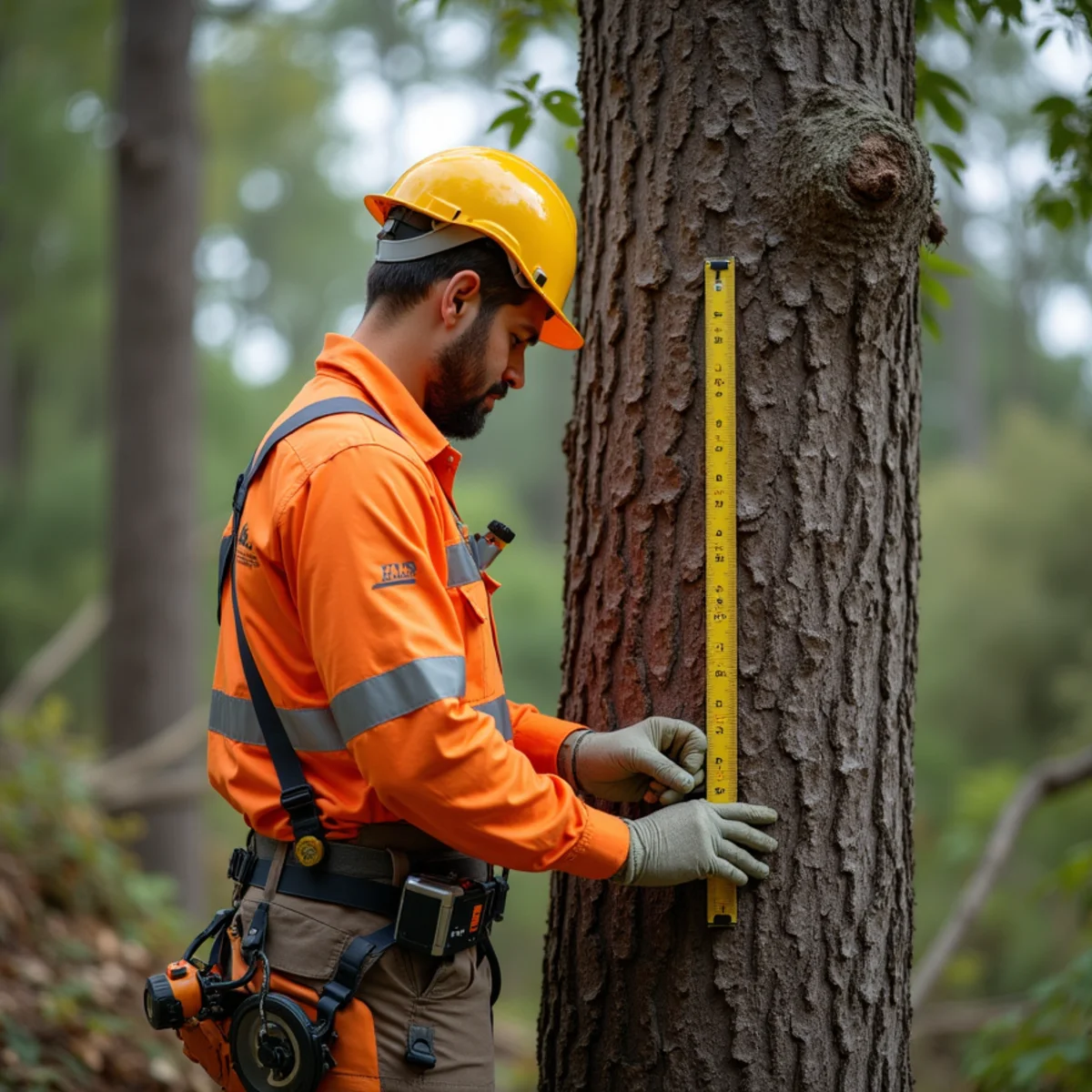
You can't stop ice, but you can lower your odds of damage. Removing deadwood takes out the limbs most likely to break. Thinning a dense canopy reduces the surface area that collects ice. And addressing known structural problems — weak unions, cracked limbs — before winter means fewer failures when the storm hits.
After an ice event, be cautious: bent and partly broken limbs are under tension and can release suddenly. Keep clear, and let a crew that knows how to handle loaded wood do the cleanup safely.
Before Winter: Reduce Your Ice-Storm Risk
- Remove deadwood — the limbs most likely to break under ice
- Thin dense canopies to reduce the surface area that collects ice
- Address weak unions and cracked limbs before the load arrives
- Prioritize trees leaning over the house, driveway, and cars
- Keep clear of bent, partly broken limbs after a storm — they're under tension
- Have tall pines assessed; they snap high and spear straight down
When Ice Damage Becomes an Insurance Claim
When an ice-loaded limb comes down on your roof, garage, or fence, it often becomes a covered insurance loss — the same way a wind-felled tree does. The key is documentation: photograph the damage and the tree before anything is moved, note the date of the storm, and report it to your insurer before non-essential cleanup begins.
A tree company experienced with claims can provide the itemized estimate and adjuster-ready photos that keep the process moving, then remove the hazard safely. If ice has dropped a limb onto a structure, treat it like any storm loss — see our storm damage cleanup and insurance claim support, and keep your paperwork together from day one.
After the Ice: Work Carefully
Bent and partly broken limbs are loaded like springs. Once the ice starts to melt and shift, they can release suddenly, so the aftermath of an ice storm is not the time for ladder work or a chainsaw near a tensioned branch. Keep people and vehicles clear until the wood is handled by a crew that knows how it's loaded.
North Georgia sits in a zone where winter systems can bring exactly the wrong mix — temperatures around freezing with rain that coats every twig. You can't stop the ice, but a thinned, deadwood-free canopy carries far less load and gives you far fewer failures to clean up.
The Bottom Line
You can't stop a Georgia ice storm, but a thinned, deadwood-free canopy carries far less load and gives you far fewer failures to clean up when the freeze arrives. Book that work before winter, prioritize the trees leaning over your home, and stay well clear of bent, loaded limbs afterward until a crew can handle them. For pre-winter pruning or fast post-storm cleanup anywhere across metro Atlanta, call Costeño Tree Services at (855) 615-0568.
How Costeño Tree Services Can Help
Related services and areas covered in this article:
Frequently Asked Questions
Tall loblolly pines (which snap) and hardwoods carrying deadwood or weak unions (which drop limbs). Trees with existing structural flaws fail worst.
It reduces the risk. Removing deadwood and thinning dense canopies lowers the ice load and takes out the limbs most likely to break. A pre-winter check is worthwhile.
Be careful — bent and partly broken limbs are under tension and can release suddenly. For anything large or loaded, call a professional crew at (855) 615-0568.
About the Author
Costeño Tree Services
Costeño Tree Services is a locally owned, fully licensed and insured tree care company serving metro Atlanta since 2019. Our crews perform tree removal, pruning, stump grinding, and 24/7 storm response every day across Fulton, Cobb, DeKalb, and Gwinnett counties, following ANSI A300 pruning practices and ANSI Z133 safety standards. This guide is reviewed and updated as Atlanta rules and conditions change.