HOA Tree Canopy Guidelines in Metro Atlanta: Balancing Forest Beauty With Homeowner Safety
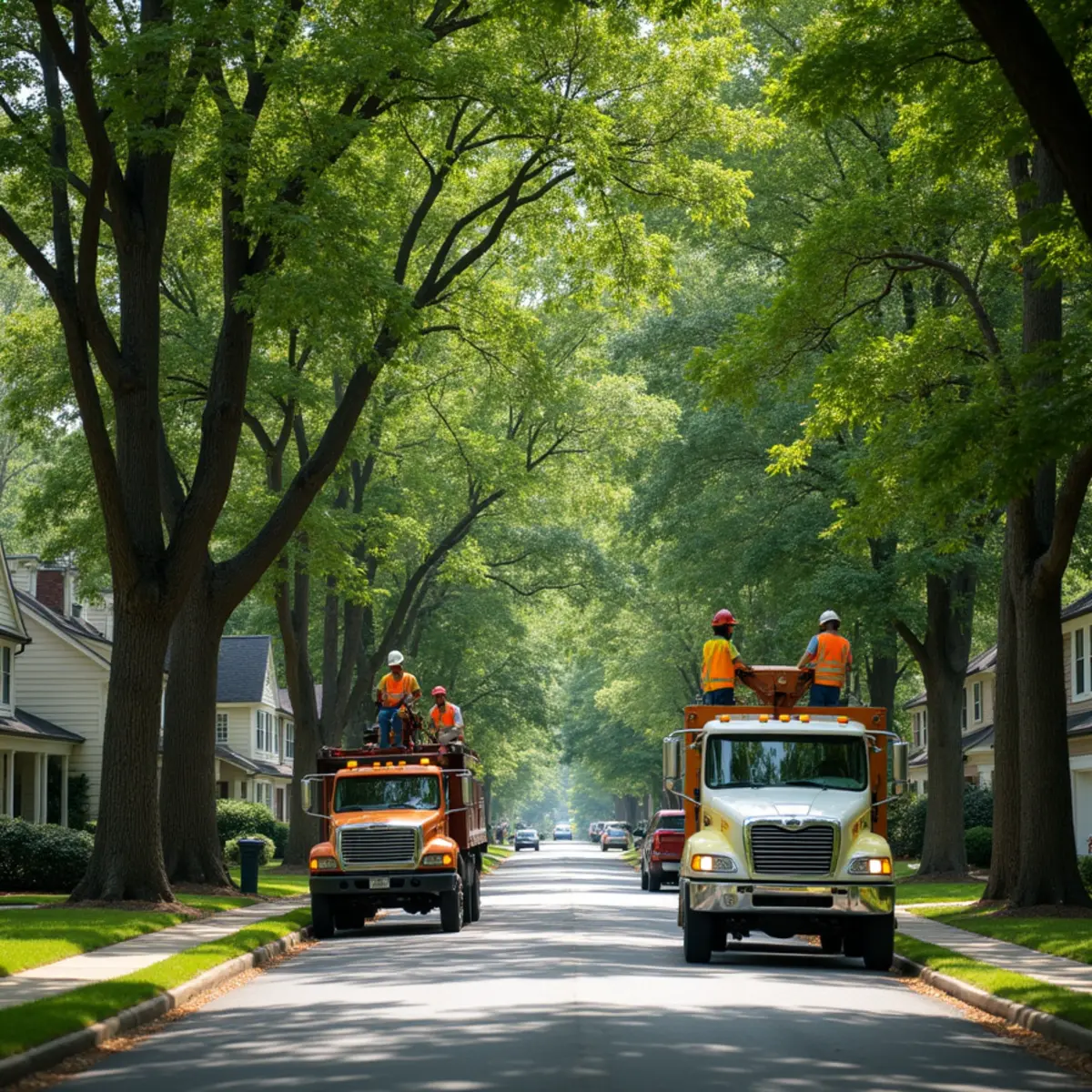
Metro Atlanta HOAs balance canopy preservation with homeowner safety by writing guidelines that protect healthy shared trees while fast-tracking genuine hazards. Good rules require approval to remove significant healthy trees, define who maintains common-area versus lot trees, and pair that with proactive inspection so a dead pine over a walkway doesn't become everyone's liability.
Why HOAs Care About the Canopy
In metro Atlanta's planned communities — Johns Creek, Alpharetta, Peachtree City — the tree canopy is part of the brand. Mature trees line the streets, shade the common areas, and support property values across the whole neighborhood. HOAs write canopy guidelines to protect that shared asset from being thinned out one lot at a time.
That's why many HOAs require approval before a homeowner removes a significant tree, and why some maintain replanting standards. The goal is keeping the community's forest character intact for everyone.
The Safety Side of the Ledger
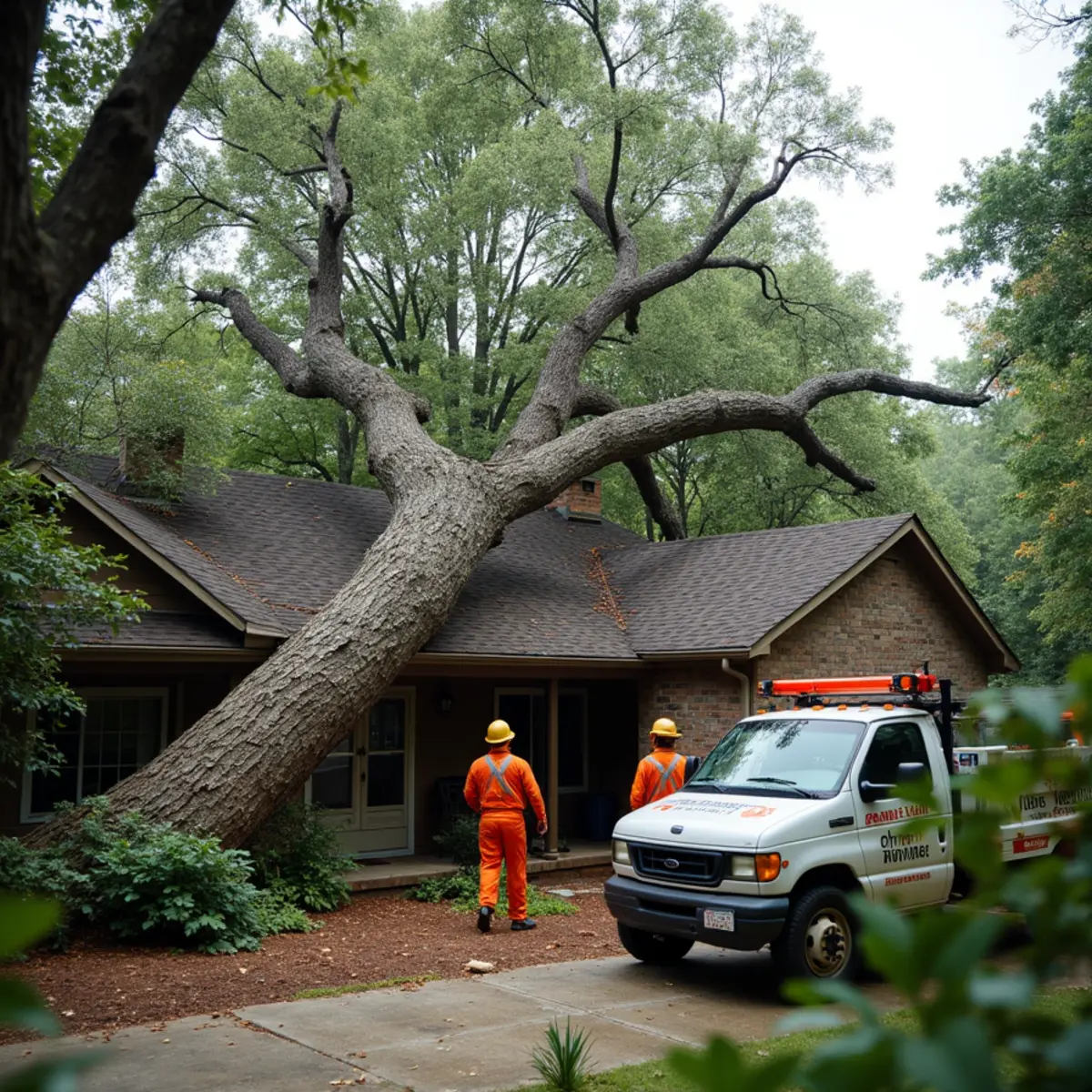
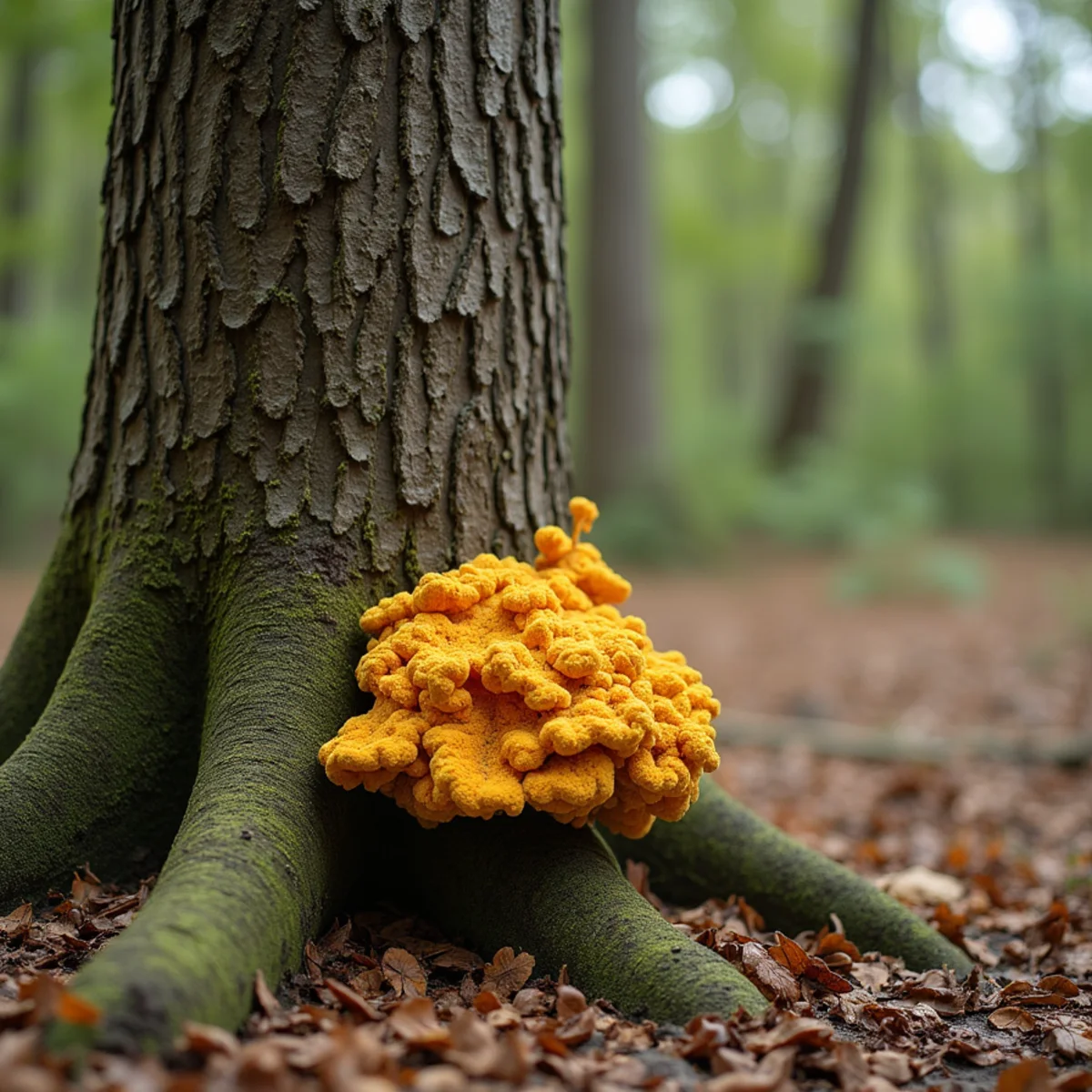
The tension is that a canopy is only an asset when it's healthy. A dead pine over a common walkway or a decayed oak leaning toward a home is a liability, and HOA rules that make it hard to remove genuine hazards create their own risk. Good guidelines distinguish between removing a healthy tree for convenience and removing a hazard for safety.
Responsibility also gets complicated. Which trees are the HOA's to maintain — common areas, entrances, buffers — versus the individual homeowner's? Clear answers, and a maintenance plan for the association's trees, prevent both hazards and disputes.
A Practical Approach for Boards
The workable balance is proactive management plus sensible rules. An inventory and periodic inspection of the association's trees catches hazards early and documents care. A clear, reasonable removal-approval process — one that fast-tracks genuine hazards while protecting healthy canopy — keeps both safety and beauty in view.
We work with HOAs and property managers across metro Atlanta to inventory community trees, handle common-area maintenance and storm response, and provide the documentation boards need. Whether it's routine pruning or an emergency after a storm, having a trusted crew on call makes the whole thing manageable.
A Balanced HOA Tree Policy Covers
- Approval process for removing significant, healthy trees
- A faster track for dead, dying, and hazardous trees
- Clear split of common-area vs. individual-lot responsibility
- Periodic inspection and documentation of association trees
- Replanting or canopy standards where trees are removed
- A trusted, insured crew on call for maintenance and storms
Who Pays: HOA vs. Homeowner Responsibility
Most disputes start with a simple unanswered question: whose tree is it? Typically the association maintains trees in common areas, entrances, and buffers, while individual owners handle the trees on their own lots — but overhanging limbs, shared boundaries, and storm damage blur those lines fast.
Spelling out the split in the governing documents, and backing it with a maintenance budget for the association's trees, prevents both finger-pointing and neglected hazards. When everyone knows who's responsible before a limb comes down, a storm becomes a work order instead of a lawsuit.
Building a Tree Inventory Boards Can Rely On
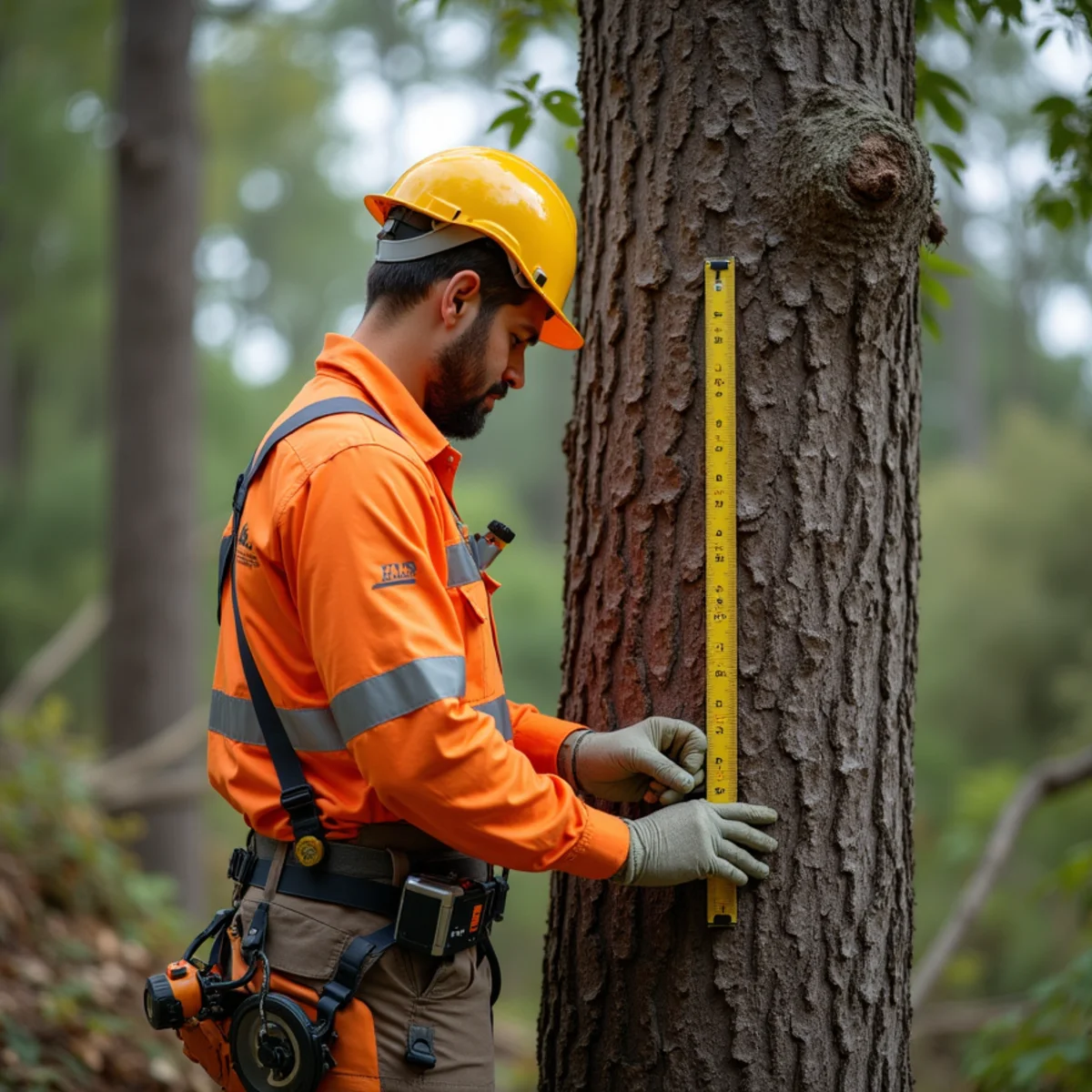
Proactive management starts with knowing what you have. A tree inventory — the association's trees, their condition, and the ones posing liability — turns vague worry into a plan a board can budget and act on. It also documents that the community is exercising reasonable care, which matters if a claim ever arises.
From the inventory, a simple schedule sets inspection and pruning intervals, flags removals before they become emergencies, and feeds a reserve line for major tree work. Pairing that record with a trusted, insured crew on call is how a board keeps both the canopy and its liability under control.
The Bottom Line
The workable balance for an HOA is proactive management plus sensible rules — protecting healthy canopy while fast-tracking genuine hazards. Pair an inventory and inspection schedule with a trusted crew on call, and you keep both safety and beauty in view. To set up an HOA tree program in metro Atlanta, call Costeño Tree Services at (855) 615-0568.
How Costeño Tree Services Can Help
Related services and areas covered in this article:
Frequently Asked Questions
Many HOAs require approval to remove significant trees to protect the community canopy. Genuine hazards are usually handled differently, but check your HOA's specific guidelines.
Typically the HOA maintains common-area, entrance, and buffer trees, while homeowners handle trees on their lots. Clear rules and a maintenance plan prevent disputes and hazards.
Yes. We inventory community trees, handle common-area maintenance and storm response, and provide documentation for boards. Call (855) 615-0568 to set up a program.
About the Author
Costeño Tree Services
Costeño Tree Services is a locally owned, fully licensed and insured tree care company serving metro Atlanta since 2019. Our crews perform tree removal, pruning, stump grinding, and 24/7 storm response every day across Fulton, Cobb, DeKalb, and Gwinnett counties, following ANSI A300 pruning practices and ANSI Z133 safety standards. This guide is reviewed and updated as Atlanta rules and conditions change.