Will Homeowners Insurance Pay for Fallen Tree Removal in Georgia?
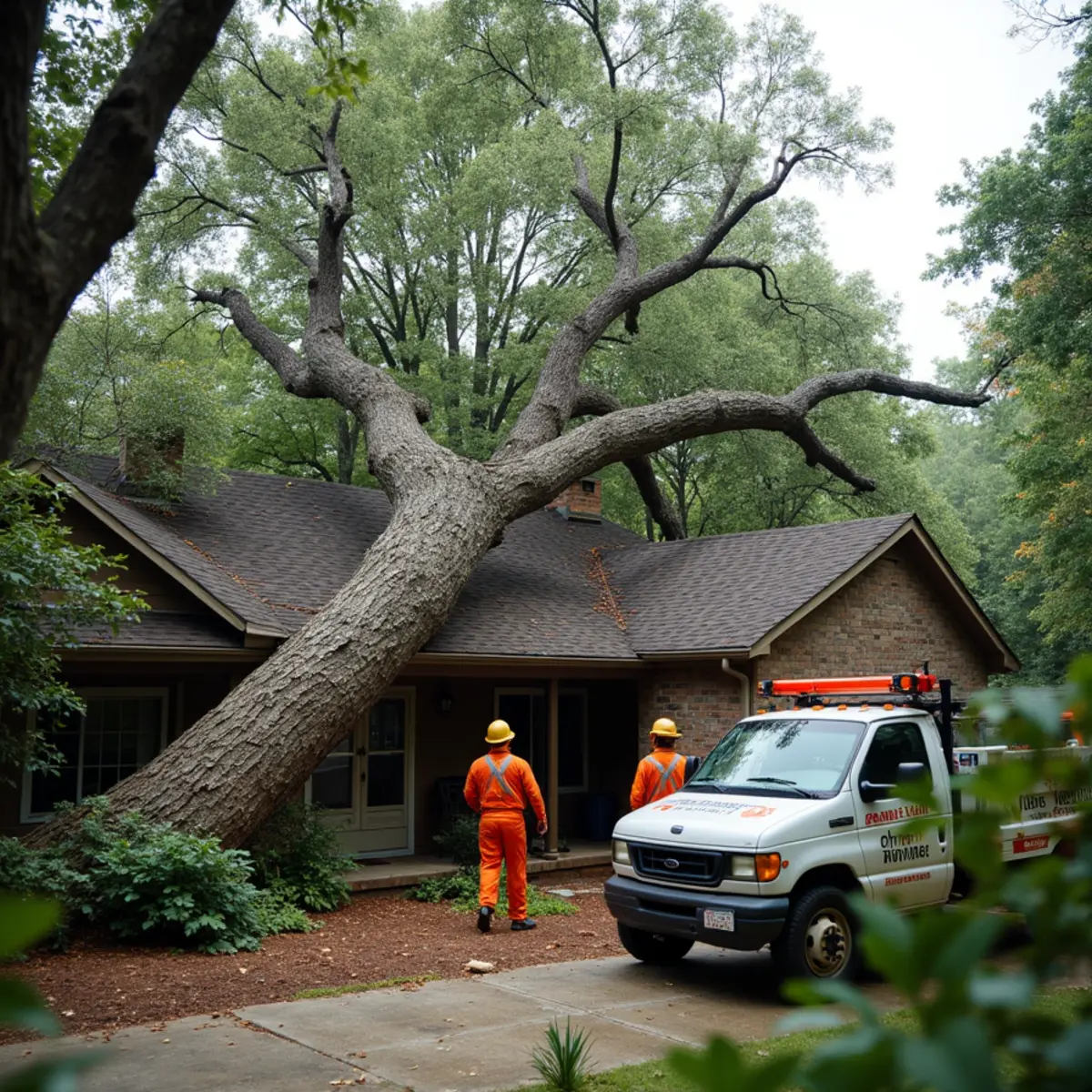
Georgia homeowners insurance usually pays for fallen tree removal when the tree damages a covered structure — your roof, garage, or fence. A tree that falls in the yard and hits nothing is typically not covered. Coverage is subject to your deductible and per-event limits, and neglected hazard trees may be excluded.
The Key Question: Did It Hit Something?
The single biggest factor in whether your homeowners policy covers tree removal is whether the tree damaged a covered structure. If a tree falls and crushes your roof, garage, or fence, most standard Georgia policies will help with both the repair and the removal of the tree from the structure.
If that same tree falls in your yard and hits nothing — no structure, no fence, no car — removal is often not covered, though policies vary. The tree damaged your landscaping, not your insured property, and that's usually on you.
Common Exclusions and Limits
Coverage isn't unlimited. Policies typically cap tree-removal payments per event, and your deductible applies. If removing the tree costs less than your deductible, filing a claim may not make sense.
There's also the neglect exclusion. If the tree that fell was already dead, diseased, or obviously hazardous and you didn't address it, an insurer may deny the claim on the grounds that the failure was preventable. This is a big reason to remove known hazard trees before they come down — and to document storm causation when they do.
How to Document Your Claim
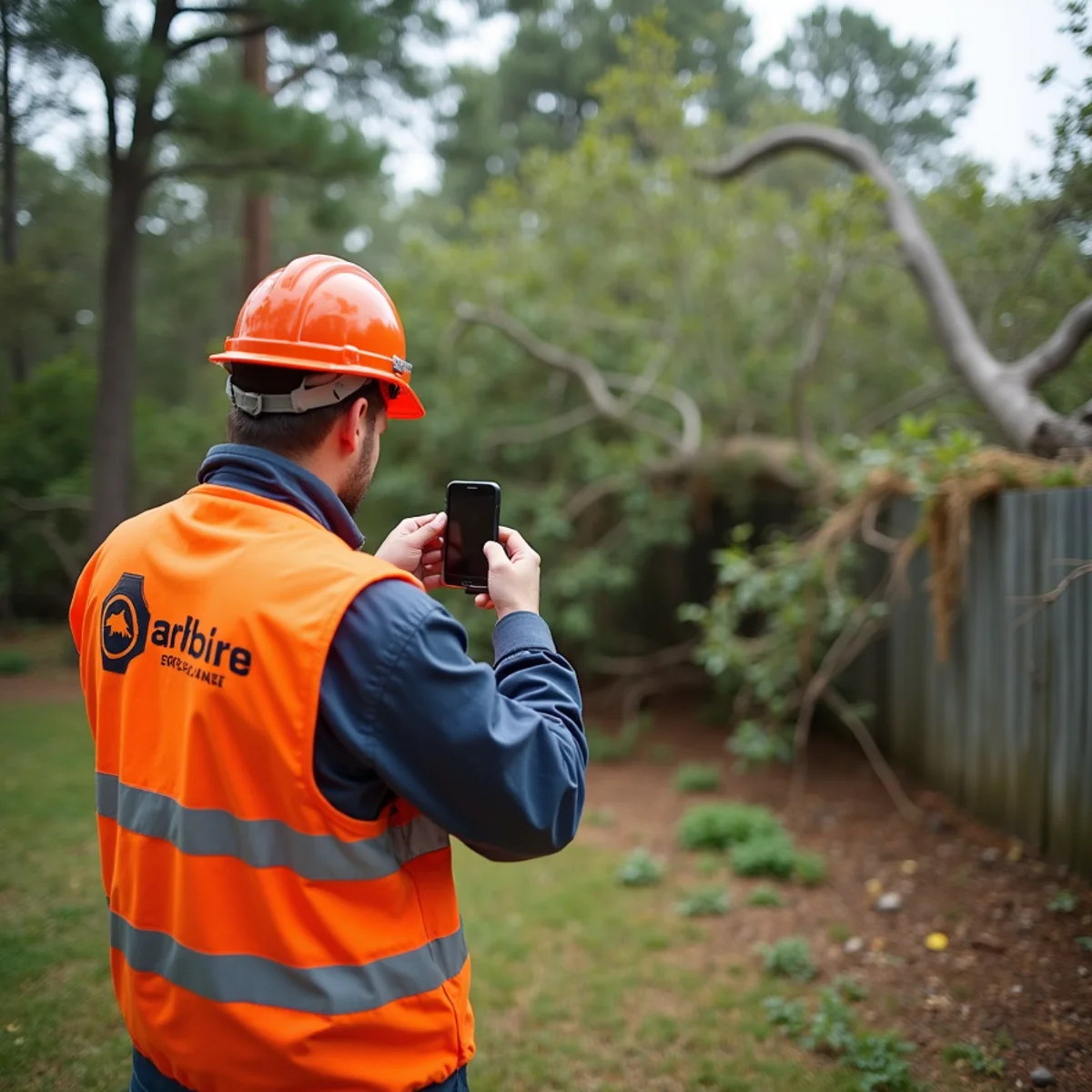
Good documentation is what gets claims approved. Before anything is moved (when it's safe to wait), photograph the tree on the structure, the damage from multiple angles, and the overall scene. If a storm caused it, note the date and weather.
Then get an itemized written estimate in the format adjusters expect. A tree company experienced with claims will provide before-and-after photos, an itemized estimate and invoice, and can speak directly with your adjuster about the scope — which removes a lot of the friction.
A Note for Georgia Storm Season
North and central Georgia see damaging thunderstorm winds, occasional tornadoes, and ice events most years. After a widespread storm, adjusters are swamped and honest documentation moves your claim to the front of the line. Being organized pays off.
Documenting a Storm Claim the Right Way
- 1Make the area safe and coordinate with 911 or the utility if a line is involved.
- 2Before moving debris (when safe to wait), photograph the tree on the structure from several angles.
- 3Note the date, approximate storm time, and address; save any emergency-call records.
- 4Notify your insurer and ask what mitigation and documentation they require.
- 5Get an itemized written estimate in the format adjusters expect.
- 6Keep photos, estimate, invoices, and the claim number together in one file.
The Exclusions That Catch Homeowners Off Guard
Two things surprise people most. First, the deductible: if removing the tree costs less than your deductible, filing may not make sense. Second, the neglect exclusion — if the tree that fell was already dead, diseased, or obviously hazardous and you did nothing, an insurer may deny the claim on the grounds the failure was preventable.
That's a strong argument for removing known hazard trees before they come down, and for documenting storm causation when they do. A green, healthy tree taken down by storm winds is a very different claim than a long-dead pine that finally let go.
What a Tree Company Can and Can't Do
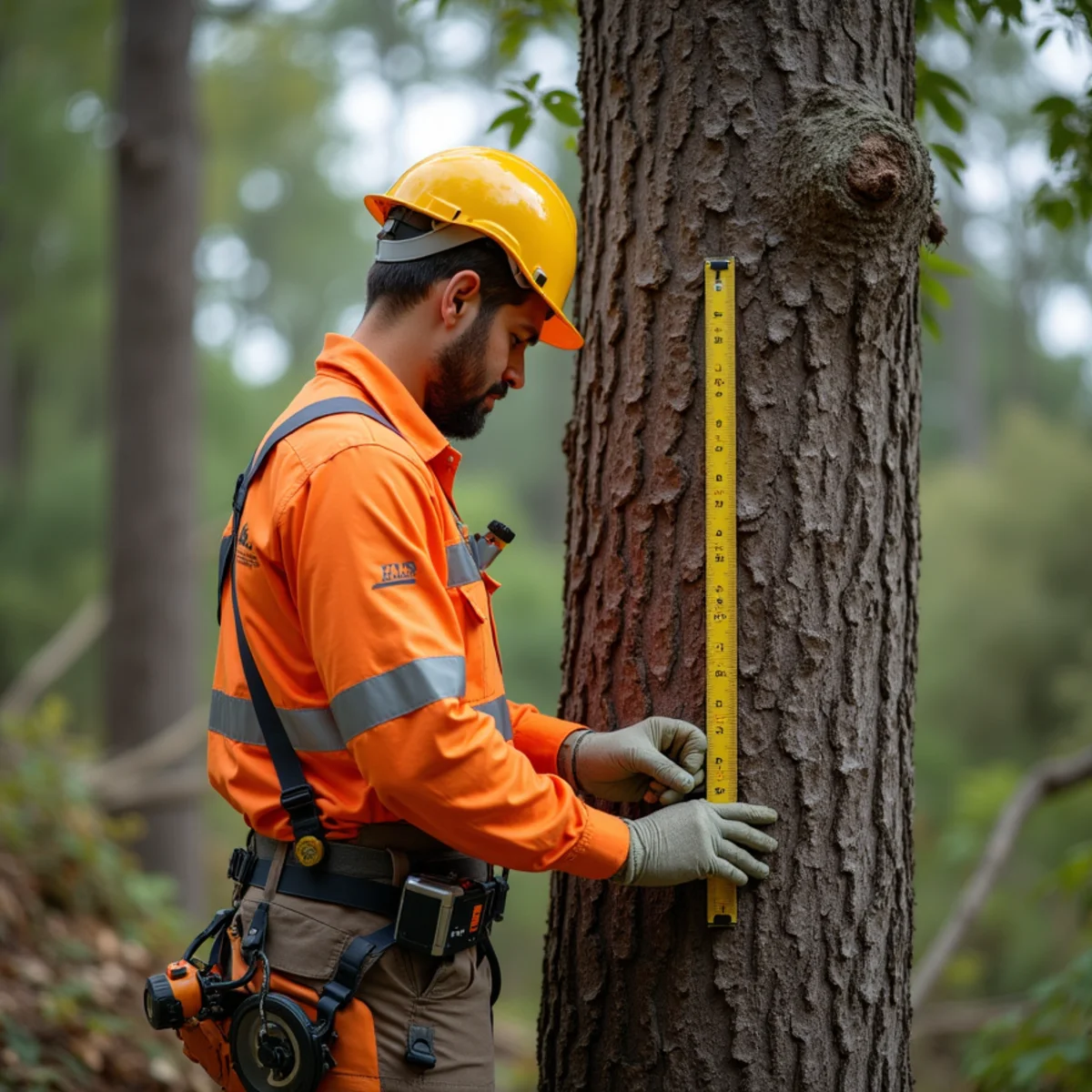
A good tree company experienced with claims will photograph the scene, provide an itemized estimate and matching invoice in adjuster-ready format, and speak directly with your adjuster about scope. That removes most of the friction that stalls claims after a widespread storm, when adjusters are swamped.
What no contractor can do is guarantee coverage or dictate the insurer's decision — that's between you and your carrier. Be wary of anyone who promises your claim is 'definitely covered.' Confirm your policy terms directly, and let the documentation make your case.
The Bottom Line
Whether your policy pays usually comes down to one question — did the tree hit something covered — and to how well you document the loss. Photograph before you clear, mitigate further damage, and keep your paperwork together. We provide the adjuster-ready documentation to support your claim; call Costeño Tree Services at (855) 615-0568 after a storm.
How Costeño Tree Services Can Help
Related services and areas covered in this article:
Frequently Asked Questions
Often not. Coverage usually kicks in when a tree damages a covered structure like your home, garage, or fence. A tree that only damages landscaping is typically excluded.
It can be. Insurers may deny claims where the failure was preventable due to neglect. That's why removing known hazard trees ahead of time — and documenting storm causation — matters.
We provide itemized documentation and coordinate with your adjuster. See our insurance claim tree removal service or call (855) 615-0568.
About the Author
Costeño Tree Services
Costeño Tree Services is a locally owned, fully licensed and insured tree care company serving metro Atlanta since 2019. Our crews perform tree removal, pruning, stump grinding, and 24/7 storm response every day across Fulton, Cobb, DeKalb, and Gwinnett counties, following ANSI A300 pruning practices and ANSI Z133 safety standards. This guide is reviewed and updated as Atlanta rules and conditions change.