Late-Summer Hurricane Remnants in Georgia: A Pre-Storm Tree Inspection Checklist
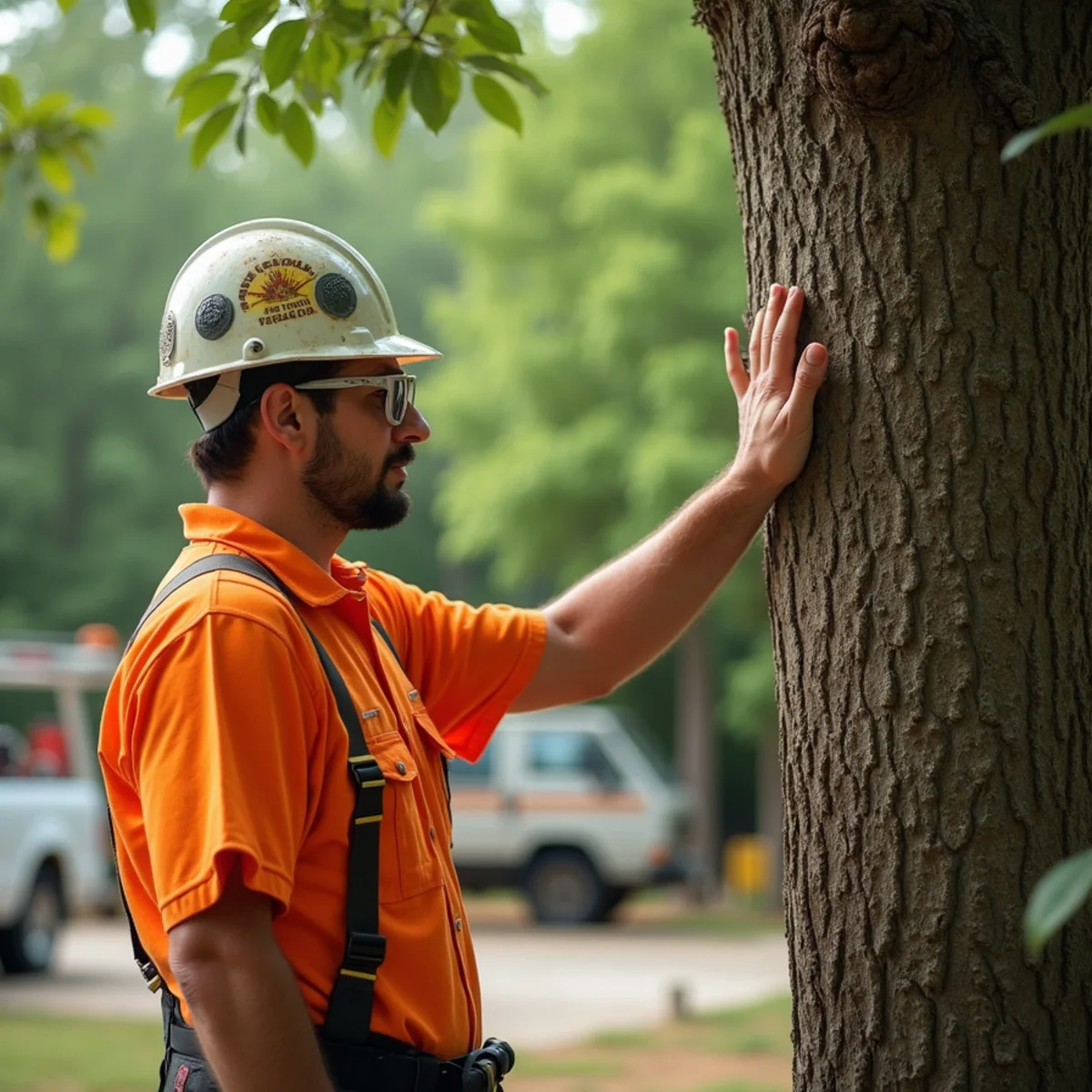
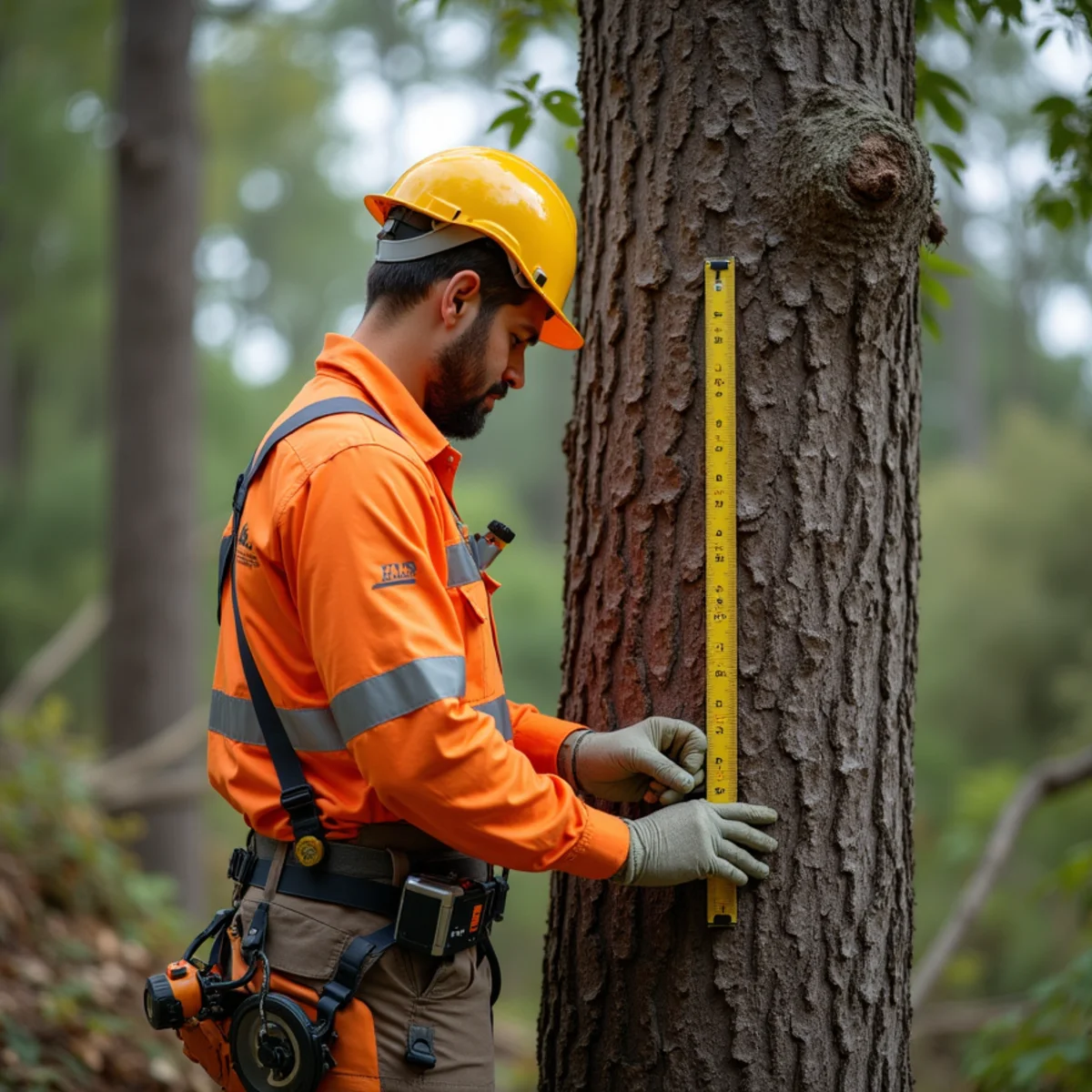
A pre-storm tree inspection walks each significant tree from the base up: check for fungal conks and a new lean at the root flare, cracks and cavities in the trunk, weak unions where stems meet, and deadwood or hanging limbs in the canopy. Prioritize the flawed trees that stand over your house, driveway, or play area.
Why a Pre-Storm Check Pays Off
Georgia's storm season isn't just spring thunderstorms. Late-summer and fall bring the remnants of tropical systems up from the Gulf and Atlantic, dumping rain and wind on trees that are already fully leafed-out and catching the most wind of the year. A tree with a hidden flaw is most likely to fail exactly then.
Spending twenty minutes walking your yard before the season can flag the problems that turn into emergencies. Here's what to look for.
Your Yard Walk-Through Checklist
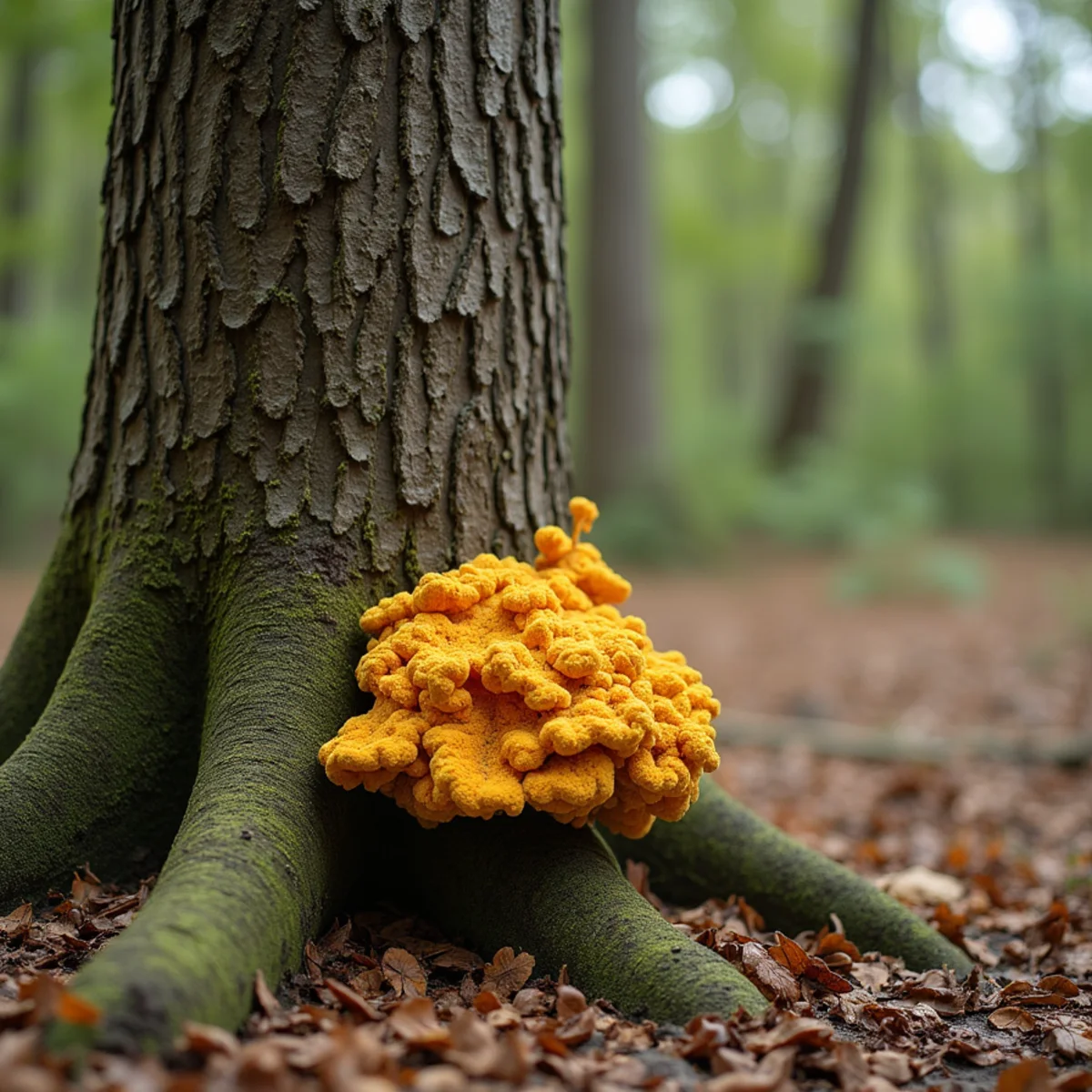
Start at the base of each significant tree. Look for mushrooms or fungal conks, soft or hollow-sounding wood, cracked or heaving soil, and any new lean. These point to root or trunk problems that make a tree unstable.
Look up the trunk for deep cracks, cavities, and old wounds, and check where major stems meet for weak, tight unions with trapped bark. Then scan the canopy for dead branches, hanging or broken limbs left from past storms, and dense, top-heavy growth that acts like a sail.
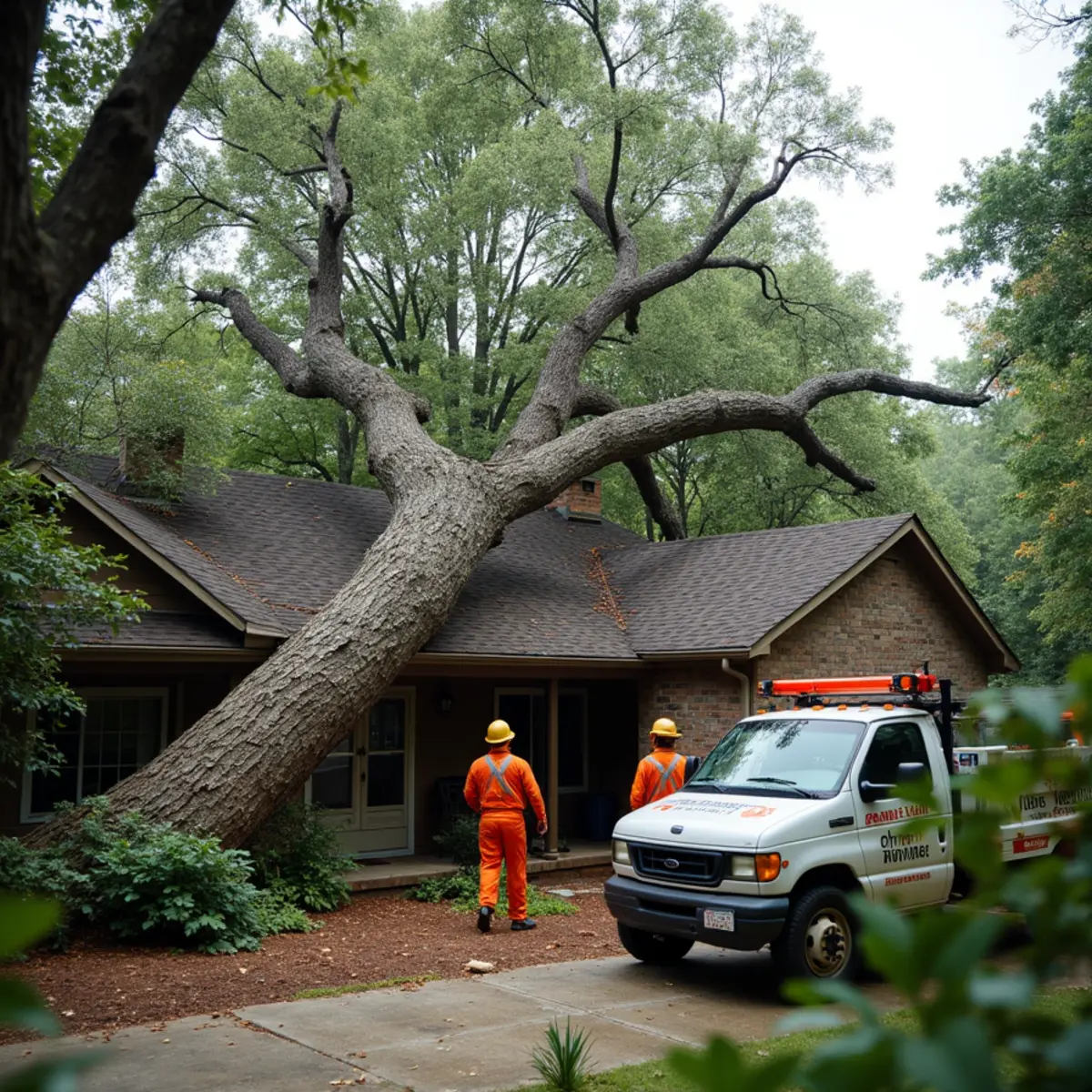
Finally, note the targets. A flawed tree over open lawn is a different priority than the same tree leaning over your roof, your driveway, or the kids' play area. Prioritize the hazards that threaten people and structures.
When to Call a Pro
Some things you can see from the ground; others hide inside the tree. If you find conks at the base, a new lean, large deadwood over the house, or a weak union on a big tree, it's worth a professional assessment before the weather turns.
Ahead of the season, deadwood removal and canopy thinning are the two highest-value preventive services — they take out the limbs most likely to fall and let wind pass through instead of pushing the tree over. Getting on the schedule early beats calling after the storm with everyone else.
Your Pre-Storm Yard Walk-Through
- 1At the base: look for mushrooms, conks, soft wood, and cracked or heaving soil.
- 2Up the trunk: check for deep cracks, cavities, and old wounds.
- 3At the unions: find tight, weak V-shaped joints with trapped bark.
- 4In the canopy: spot deadwood, hanging limbs, and dense, top-heavy growth.
- 5Note the targets: which flawed trees stand over people or structures?
- 6Book deadwood removal and thinning early, before the season's rush.
Why Late Summer and Fall Deserve Extra Attention
Georgia's storm season isn't just spring thunderstorms. Late summer and fall bring the remnants of tropical systems up from the Gulf and Atlantic, dumping rain and wind on trees that are fully leafed-out and catching the most wind of the year. A tree with a hidden flaw is most likely to fail exactly then.
Twenty minutes with this checklist before the season can flag the problems that turn into 2 a.m. emergencies. You can spot the outward signs from the ground; a professional adds judgment about how much sound wood remains and whether a flaw is worth watching or acting on now.
The Two Highest-Value Preventive Services
Deadwood removal and canopy thinning do the most to protect a wooded Atlanta lot. Deadwood removal takes out the limbs most likely to fall first; thinning lets wind pass through a dense canopy instead of pushing a top-heavy tree over. Together they address the two most common storm failures.
If you find conks at the base, a new lean, large deadwood over the house, or a weak union on a big tree, get a professional look before the weather turns. Booking early beats calling after the storm with everyone else, when the backlog stretches for days.
The Bottom Line
The best time to deal with a hazard tree is before the storm, not during it. Twenty minutes with this checklist flags the problems that become emergencies, and deadwood removal and thinning handle most of the risk. Book early, before the season's rush — call Costeño Tree Services at (855) 615-0568 for a free pre-storm assessment.
How Costeño Tree Services Can Help
Related services and areas covered in this article:
Frequently Asked Questions
Fungal conks at the base, a new lean, cracked or heaving soil, deep trunk cracks or cavities, weak stem unions, and large deadwood over structures. Any of these warrant a closer look.
Deadwood removal and canopy thinning. They remove the limbs most likely to fail and reduce the wind load on the tree. Book early, before the season's rush.
Yes. We assess your trees, flag the hazards, and recommend a plan — often just targeted pruning. Call (855) 615-0568 to schedule a free assessment.
About the Author
Costeño Tree Services
Costeño Tree Services is a locally owned, fully licensed and insured tree care company serving metro Atlanta since 2019. Our crews perform tree removal, pruning, stump grinding, and 24/7 storm response every day across Fulton, Cobb, DeKalb, and Gwinnett counties, following ANSI A300 pruning practices and ANSI Z133 safety standards. This guide is reviewed and updated as Atlanta rules and conditions change.