Tree Cabling and Bracing: How Steel Cables Can Save a Prized Multi-Stem Hardwood
Tree cabling and bracing use flexible steel cables high in the canopy and threaded rods at weak unions to support a structurally flawed but otherwise-healthy hardwood. For a prized multi-stem Atlanta tree with a weak union or an early split, it can add years of safe life and is often the smart middle path between doing nothing and removing it.
The Problem With Multi-Stem Trees
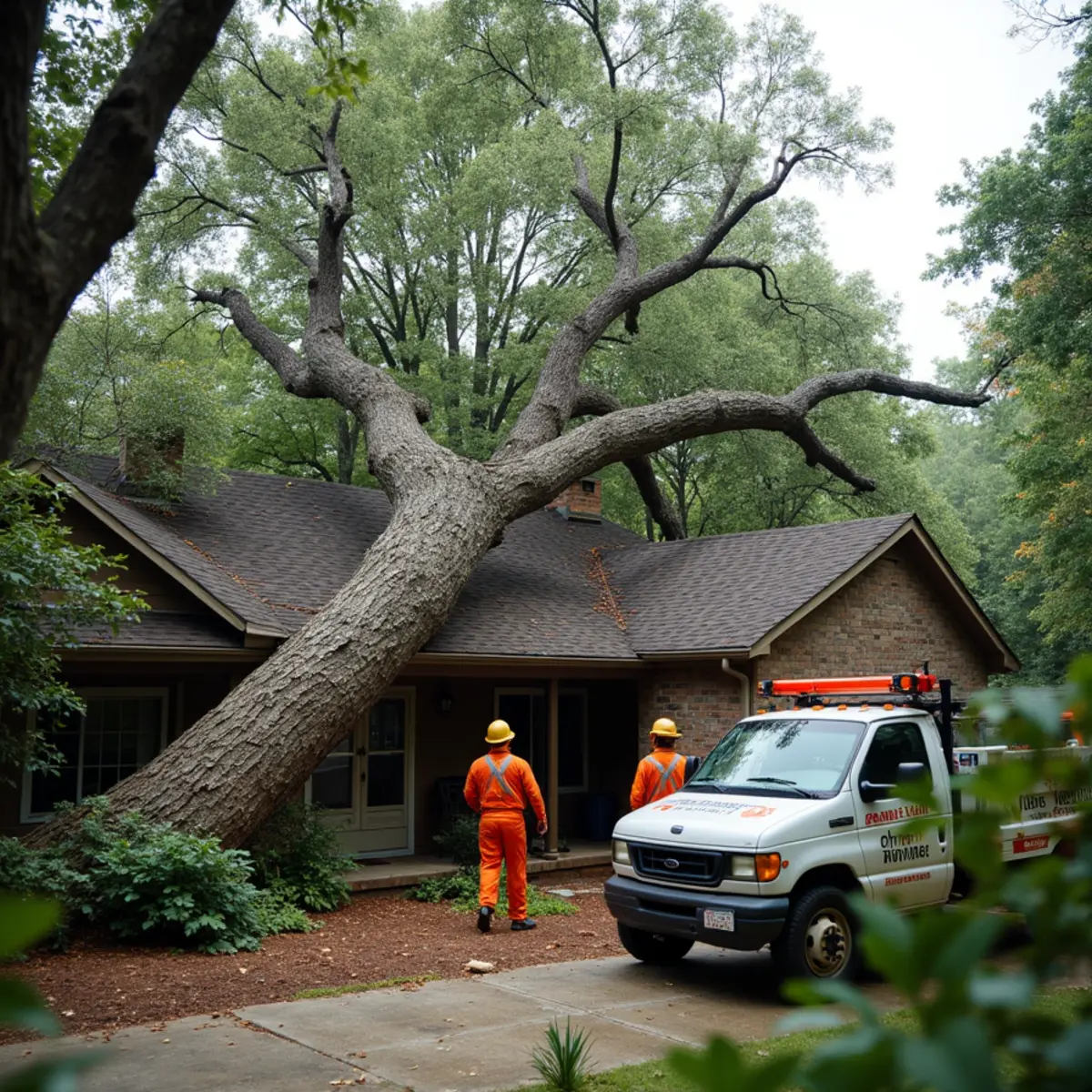
Many beautiful Atlanta hardwoods grow with two or more main stems rising from near the same point. It's an attractive form, but it comes with a structural weakness: where those stems meet, bark can become trapped in the union, creating a weak point that can split under wind, ice, or the sheer weight of the canopy.
When a co-dominant union fails, it often takes half the tree with it — and whatever is underneath. On a large, valued tree over a house, that's a serious hazard. But removal isn't the only answer.
How Cabling and Bracing Work
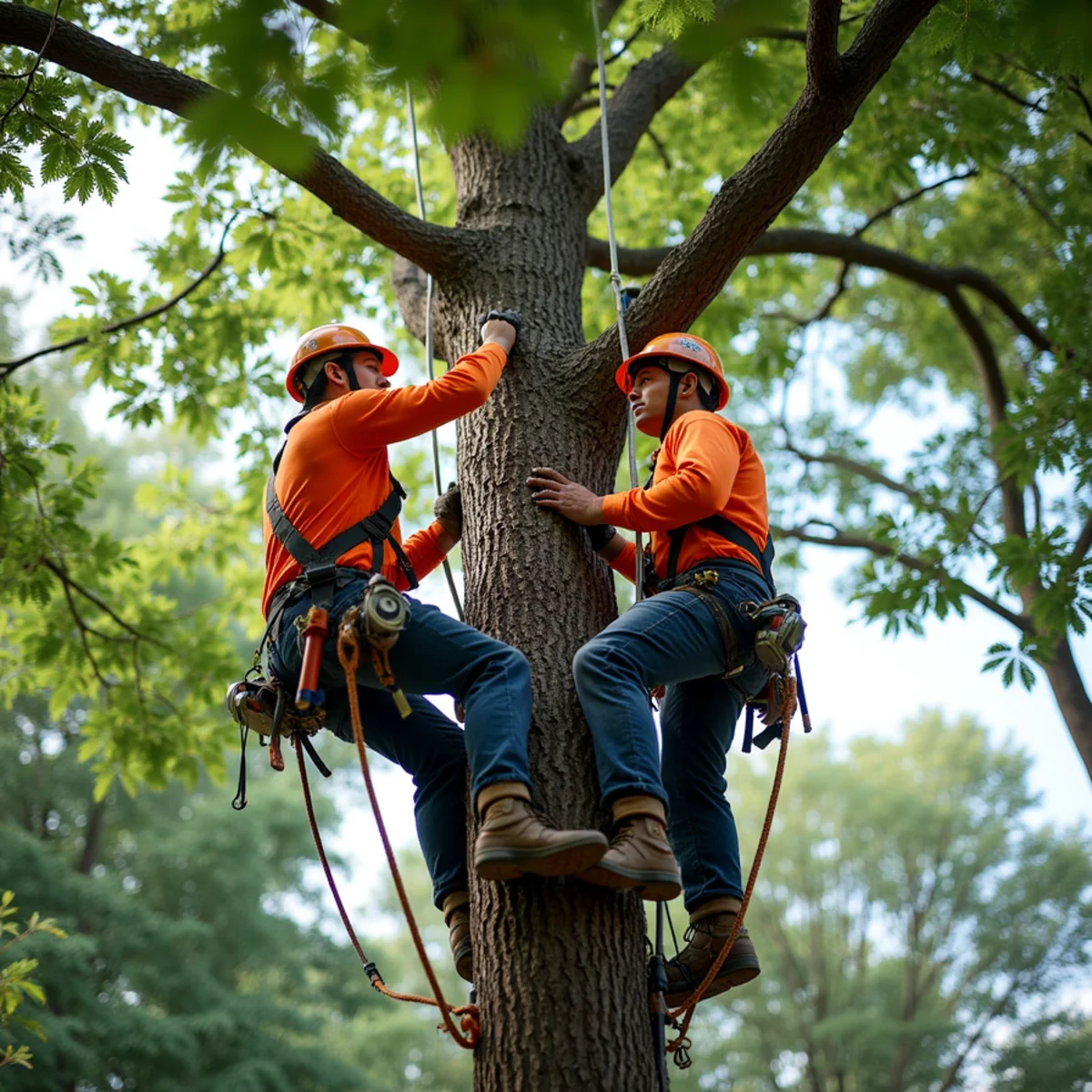
Cabling installs flexible steel cables high in the canopy, between the major stems, to limit how far they can move apart in a storm. The cable does its work up top, out of sight, sharing the load so no single union takes the full strain. Bracing uses threaded rods to physically reinforce a weak union or an existing crack lower down.
Together, and combined with proper pruning to reduce end-weight on the risky limbs, these techniques can dramatically lower the odds of a failure. For a healthy tree with one structural flaw, it's often the smart middle path between doing nothing and removing it.
Is Your Tree a Candidate?
Cabling makes sense for an otherwise-healthy, valuable tree with a manageable structural defect — a weak union, a heavy horizontal limb, a split that's caught early. It's not a fix for a decayed or dying tree; hardware can't hold together wood that's already rotting.
Installed hardware also needs periodic inspection to make sure it's still doing its job as the tree grows. We assess whether your tree is a good candidate, install to standards, and let you know what ongoing checks it needs.
Is Your Tree a Good Cabling Candidate?
- Otherwise healthy, with a single structural flaw like a weak union
- Two or more co-dominant stems with bark trapped in the union
- A heavy horizontal limb over a house, deck, or driveway
- An early split caught before it fully failed
- Enough sound wood to anchor hardware (not advanced decay)
- High value — a specimen tree worth saving over removing
How Long Cabling Lasts — and the Upkeep It Needs
Properly installed cabling isn't a one-time patch; it's a long-term support system that has to grow with the tree. Hardware should be inspected periodically — typically every couple of years and after major storms — to confirm the cables are sound, correctly tensioned, and not girdling as the limbs thicken.
A tree that's cabled and then forgotten can outgrow its hardware or hide a developing problem. Building a simple inspection rhythm into your tree care keeps the system doing its job and catches any new weakness before it becomes a failure.
Cabling vs. Removal: Making the Call
The decision comes down to the tree's overall health and what it's worth to you. For a structurally sound, valuable hardwood with one manageable defect over a house or patio, cabling is often the smart middle path — it preserves shade and property value that a replacement tree can't match for decades.
When decay, poor health, or multiple defects are in play, hardware only masks the risk, and removal is the honest answer. We weigh the flaw against the target below and the tree's condition, then give you a straight recommendation rather than selling hardware for its own sake.
The Bottom Line
Not every structurally flawed tree has to come down. For a prized hardwood with a weak union, cabling and bracing — paired with smart reduction pruning — can add years of safe life. If you've got a valuable multi-stem tree you'd rather save than lose, call Costeño Tree Services at (855) 615-0568 to see whether it's a candidate.
How Costeño Tree Services Can Help
Related services and areas covered in this article:
Frequently Asked Questions
For the right tree, yes. Properly installed cables and braces support weak unions and reduce the chance of failure in wind and ice. It's often worth it to save a valuable hardwood.
No. Hardware can't hold together wood that's already rotting. Cabling is for healthy trees with a structural flaw, not for advanced decay. We'll tell you honestly which yours is.
No — installed to standards, cabling is minimally invasive and works high in the canopy. It needs periodic inspection as the tree grows. Call (855) 615-0568 to have your tree assessed.
About the Author
Costeño Tree Services
Costeño Tree Services is a locally owned, fully licensed and insured tree care company serving metro Atlanta since 2019. Our crews perform tree removal, pruning, stump grinding, and 24/7 storm response every day across Fulton, Cobb, DeKalb, and Gwinnett counties, following ANSI A300 pruning practices and ANSI Z133 safety standards. This guide is reviewed and updated as Atlanta rules and conditions change.