How Close Can You Plant a Tree to Your Foundation in Georgia Without Causing Damage?
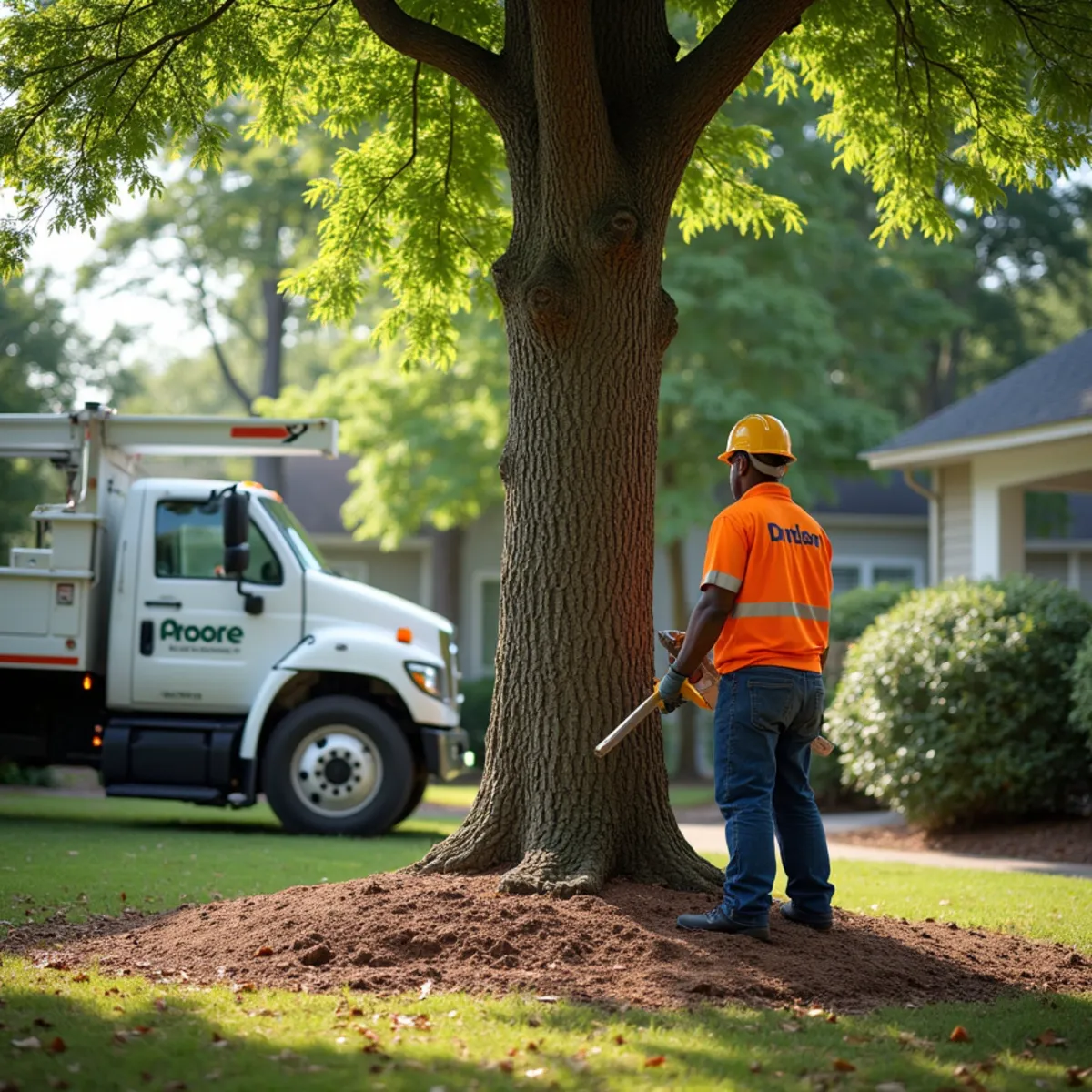
In Georgia's expansive red clay, plant large shade trees at least as far from the house as their mature height — often 50 feet or more for big oaks. The real foundation risk isn't roots cracking concrete but clay shrinking and swelling as a nearby tree draws moisture, which moves the foundation over time.
Why Distance Matters in Georgia Clay
It's not usually the roots physically 'breaking through' a foundation that people imagine. In Georgia's expansive red clay, the bigger issue is moisture. A large tree close to the house draws enormous amounts of water from the soil, and clay shrinks as it dries and swells as it wets. That constant movement under a foundation is what causes cracks and settling over time.
Roots do lift and crack sidewalks, driveways, and shallow slabs, and they can invade old sewer lines. But the foundation risk is mostly about soil moisture swings, which makes species and mature size the key variables.
A Rule of Thumb for Safe Distances
A common guideline is to plant a tree at least as far from the house as its expected mature height, and for large shade trees, that means real distance. A big oak or hardwood that will top 60 or 70 feet ideally shouldn't be planted right against the house. Smaller ornamental trees can go closer.
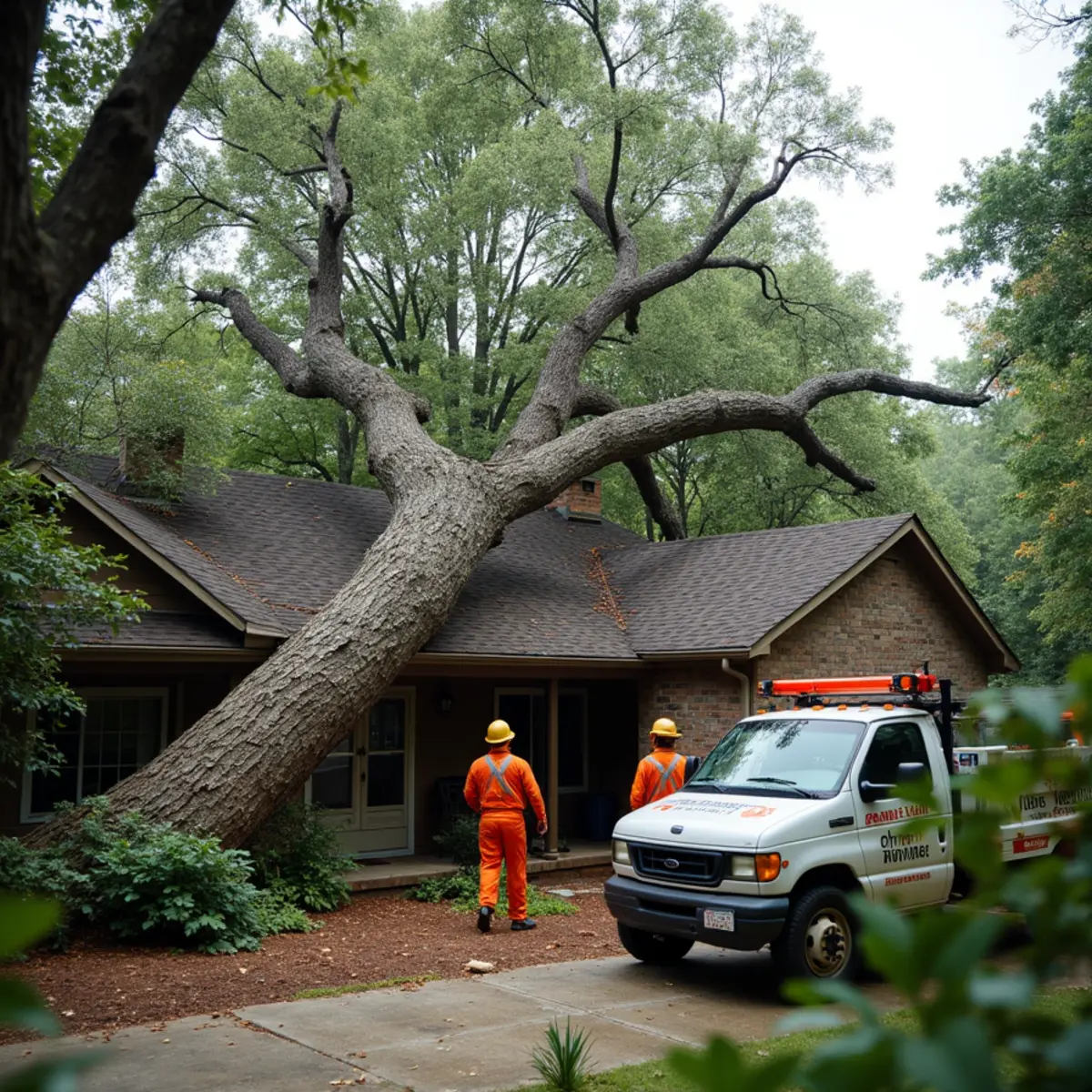
For trees already in the ground, distance plus species tells you the risk. A large water oak fifteen feet from the foundation on clay soil is worth watching; a small dogwood at the same distance isn't a structural concern. Signs to watch for include new foundation cracks that track with dry spells and roots surfacing near the house.
Managing an Existing Close Tree
You don't always have to remove a tree that's close to the house. Sometimes the right answer is monitoring, sometimes root management, and sometimes — if the tree is large, unhealthy, or already causing damage — removal is the sensible call. The decision depends on the specific tree, soil, and foundation.
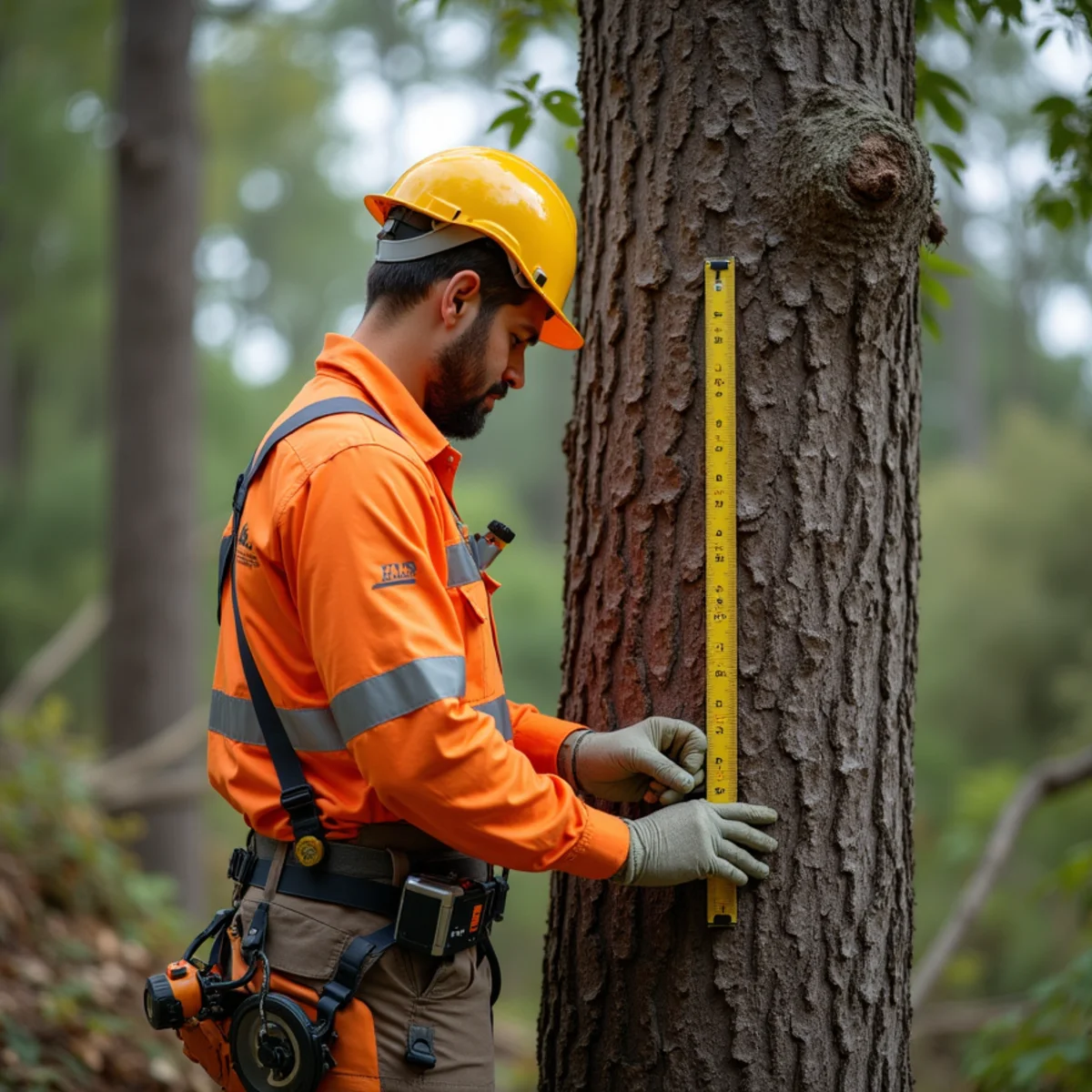
If you've got a big tree crowding your foundation and you're seeing cracks or lifting hardscape, an assessment sorts out whether it's a real threat or just proximity. We'll give you the honest read rather than pushing a removal you don't need.
Signs a Tree Is Too Close for Comfort
- New foundation cracks that widen during dry spells
- A large tree within its own mature height of the house
- Roots surfacing and lifting sidewalks, driveways, or a patio
- Doors or windows that stick seasonally as soil moisture swings
- Old sewer lines backing up where roots may have invaded
- A big, thirsty species on shrink-swell clay right beside the slab
Why It's About Moisture, Not Muscle
People picture roots physically breaking through a foundation, but in Georgia's expansive red clay the bigger issue is water. A large tree close to the house draws enormous amounts of moisture from the soil, and clay shrinks as it dries and swells as it wets. That constant movement under a foundation is what cracks and settles it over years.
Roots do lift sidewalks, driveways, and shallow slabs, and they can invade old sewer lines. But the foundation risk is mostly the soil-moisture swing, which makes species and mature size the key variables — a thirsty 70-foot oak fifteen feet away is a very different story than a small dogwood at the same distance.
Choosing the Right Tree to Plant Near a House
If you're planting fresh, species and placement do most of the work of preventing future problems. Smaller ornamentals — dogwood, redbud, crape myrtle, Japanese maple — can sit reasonably close to the house without threatening the foundation, because their modest mature size means a modest thirst for soil moisture.
Save the big shade trees — oaks, poplars, sweetgums — for the far corners of the lot, well beyond their mature height from the foundation. Getting the species-to-distance match right at planting is far cheaper than managing a 70-foot oak crowding your slab thirty years later.
The Bottom Line
In Georgia's red clay, a big tree too close to the house can crack more than a sidewalk — but proximity alone isn't a verdict. Species, size, and the cracks you're actually seeing tell the story. If a large tree is crowding your foundation, call Costeño Tree Services at (855) 615-0568 for an honest read before you decide.
How Costeño Tree Services Can Help
Related services and areas covered in this article:
Frequently Asked Questions
More often the issue is soil moisture. In Georgia clay, large trees draw water and the clay shrinks and swells, moving the foundation. Roots also lift sidewalks and slabs and can invade old sewer lines.
A common guideline is at least the tree's expected mature height. Large oaks and hardwoods ideally need real distance; small ornamentals can be planted closer.
Not always. Monitoring or root management may be enough. If it's large, unhealthy, or already causing damage, removal may make sense. Call (855) 615-0568 for an honest assessment.
About the Author
Costeño Tree Services
Costeño Tree Services is a locally owned, fully licensed and insured tree care company serving metro Atlanta since 2019. Our crews perform tree removal, pruning, stump grinding, and 24/7 storm response every day across Fulton, Cobb, DeKalb, and Gwinnett counties, following ANSI A300 pruning practices and ANSI Z133 safety standards. This guide is reviewed and updated as Atlanta rules and conditions change.