Signs of Internal Trunk Decay in Century-Old Georgia Oaks: Cavities and Conks
A hollow trunk doesn't automatically doom a century-old Georgia oak — a tree relies on its outer wood for strength and can carry internal decay while staying stable. The danger depends on how much sound wood remains and where. Fungal conks, large basal cavities, and a vertical crack with a cavity are the signs that warrant a professional assessment.
Old Oaks and the Hollow Trunk Myth
Metro Atlanta is full of magnificent century-old oaks, and many of them are quietly hollowing out. There's a common belief that a hollow tree is automatically doomed, and another that a big old oak is automatically safe. The truth is more nuanced — a tree can carry significant internal decay and remain reasonably stable, or it can be a serious hazard, and the outside signs help tell which.
The wood a tree relies on for strength is the outer shell; the center can be substantially decayed while the tree still stands. The question is how much sound wood is left and where the decay is.
Reading the Signs
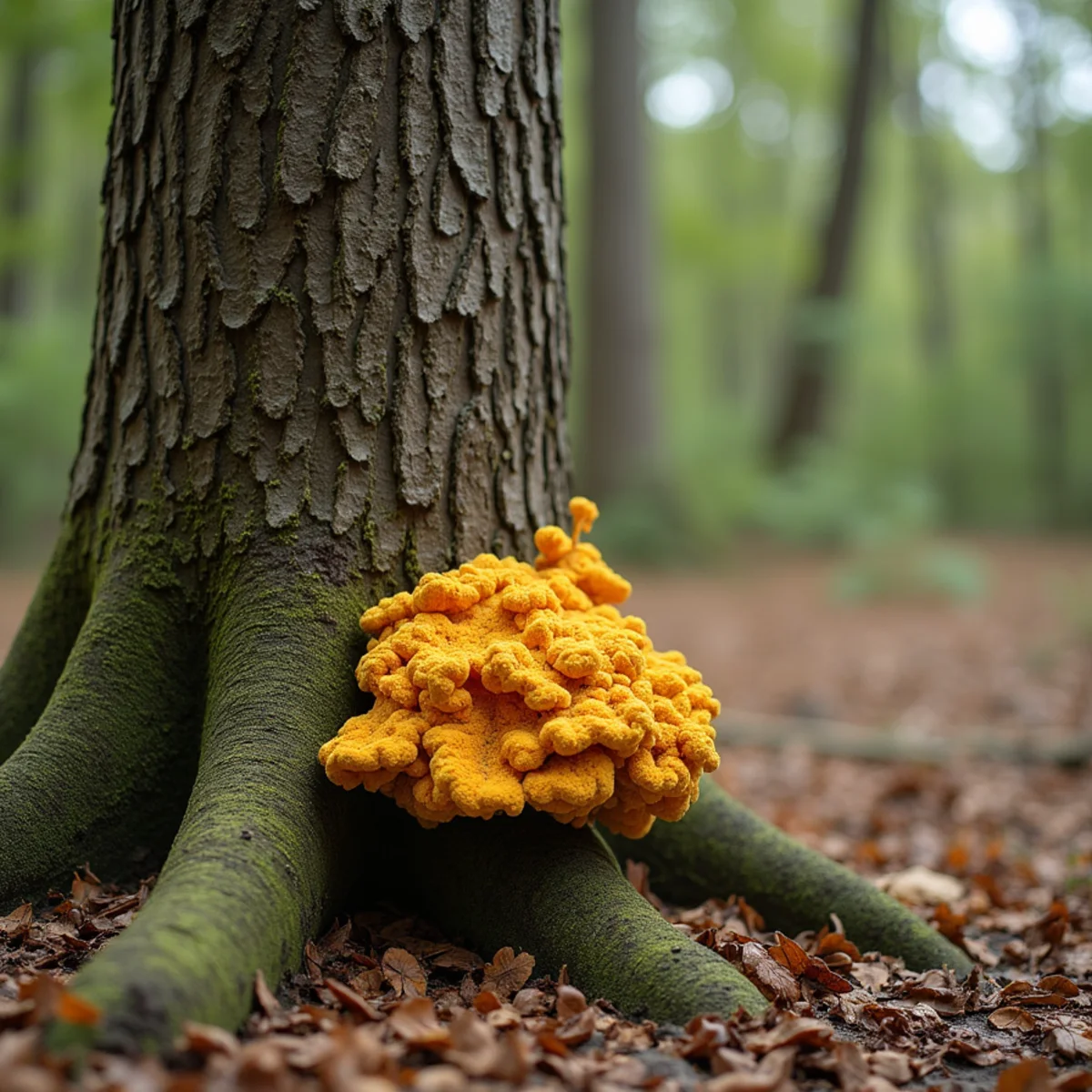
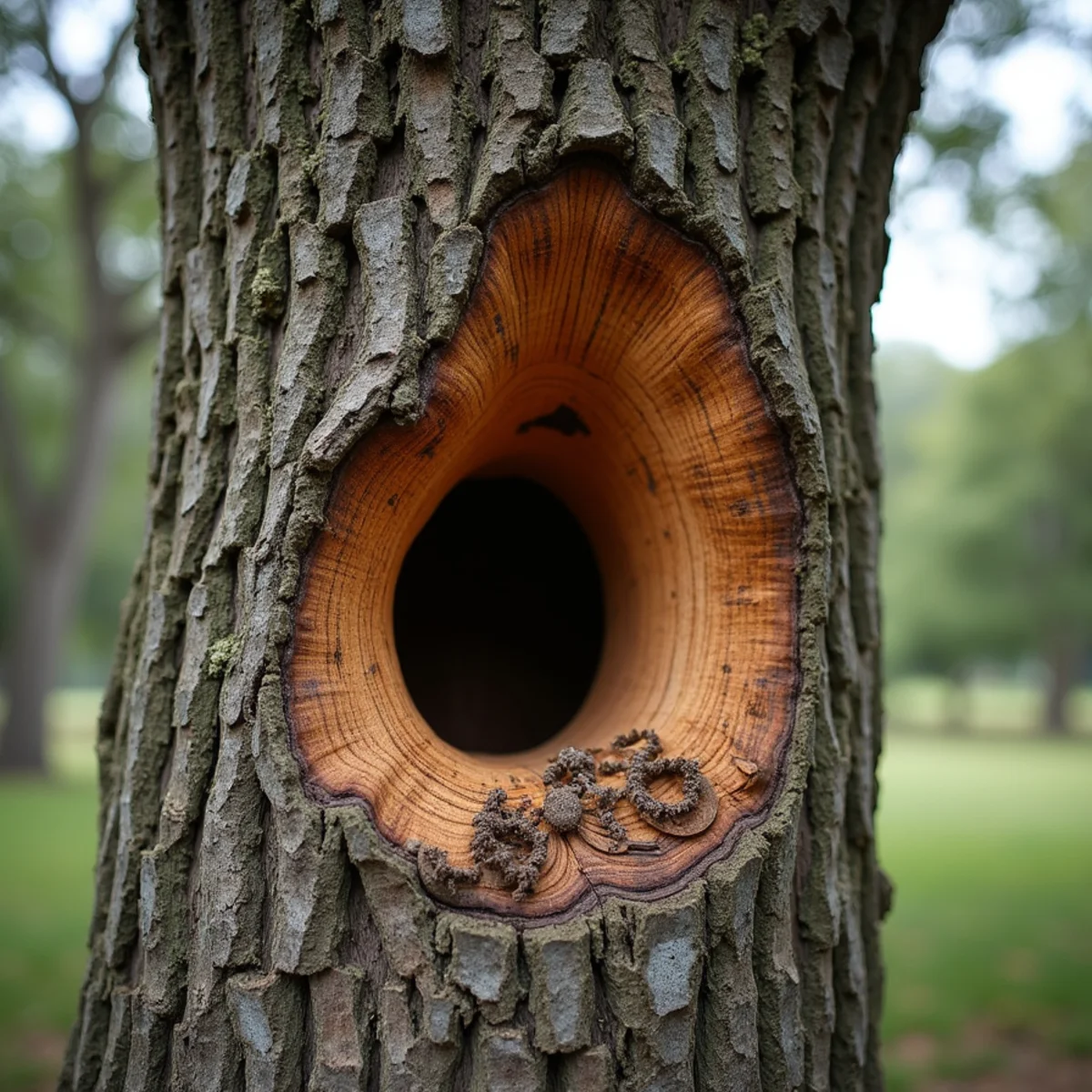
Cavities and openings in the trunk are the obvious clue, but their location and size matter. A small, high cavity is different from a large opening at the base where the tree needs the most strength. Fungal conks — hard, shelf-like brackets on the trunk — are a strong sign of active internal decay, because they're the fruiting bodies of the fungi breaking down the wood inside.
Other signs include soft or crumbling wood you can probe, sawdust from carpenter ants working decayed wood, sections of dead bark, and dieback in the canopy above a decayed area. A vertical crack combined with a basal cavity is a particular concern.
When Decay Becomes a Hazard
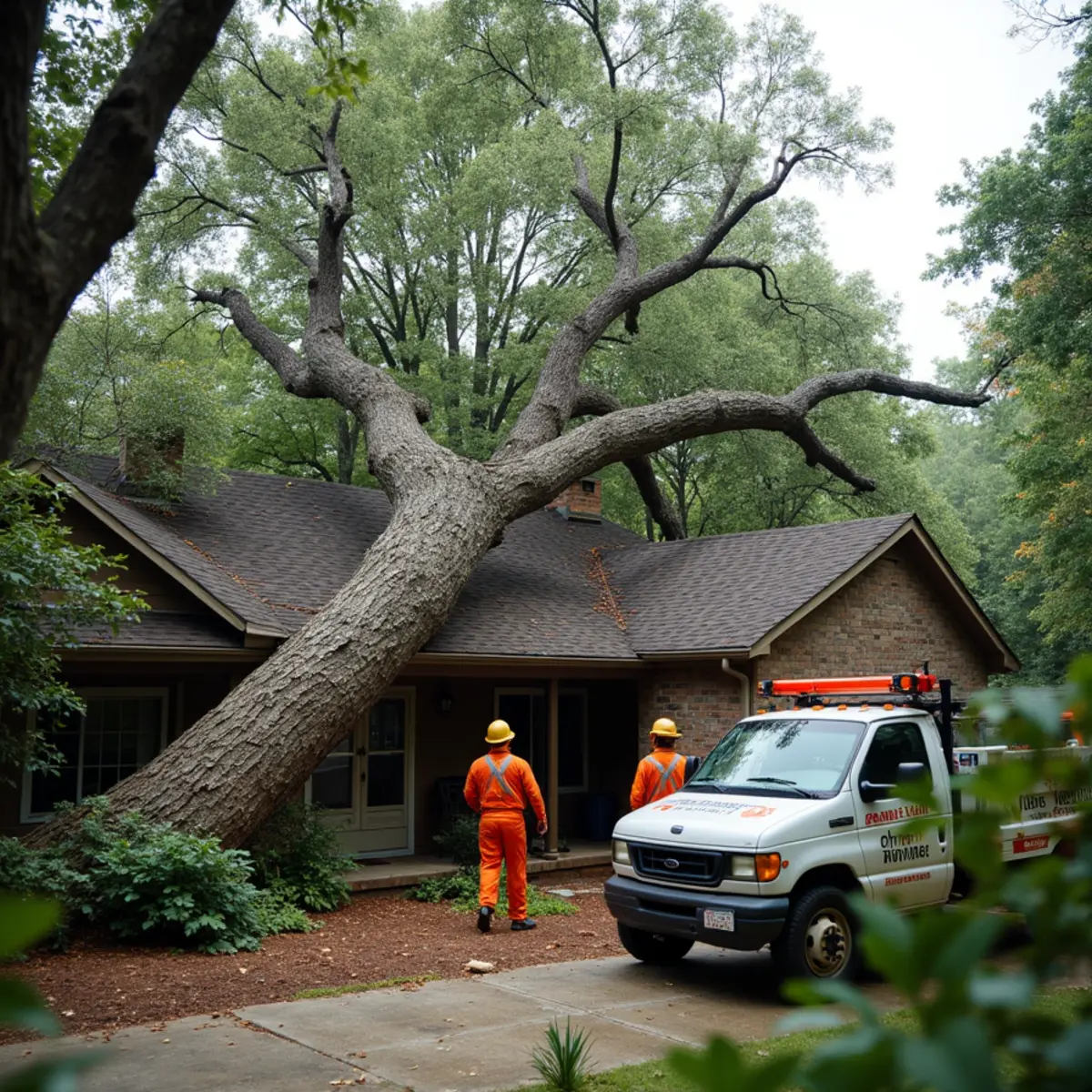
Decay becomes dangerous when too little sound wood remains to hold the tree up, especially at the base or on the side facing the prevailing wind — and especially when the target below is your house or a place people gather. This is where a professional assessment earns its keep, because judging remaining strength takes experience and sometimes specialized tools.
Not every hollow oak needs to come down. Sometimes pruning to reduce weight buys years; sometimes the honest answer is removal before it fails. We assess these old trees carefully and give you a straight recommendation, because a century-old oak is worth getting right.
Reading Internal Decay on an Old Oak
- Fungal conks — shelf-like brackets — on the trunk
- Cavities or openings, especially large ones low on the trunk
- Soft, crumbling wood you can probe with a screwdriver
- Sawdust from carpenter ants working decayed wood
- Dead bark and canopy dieback above a decayed area
- A vertical crack combined with a basal cavity
How Arborists Actually Measure Decay
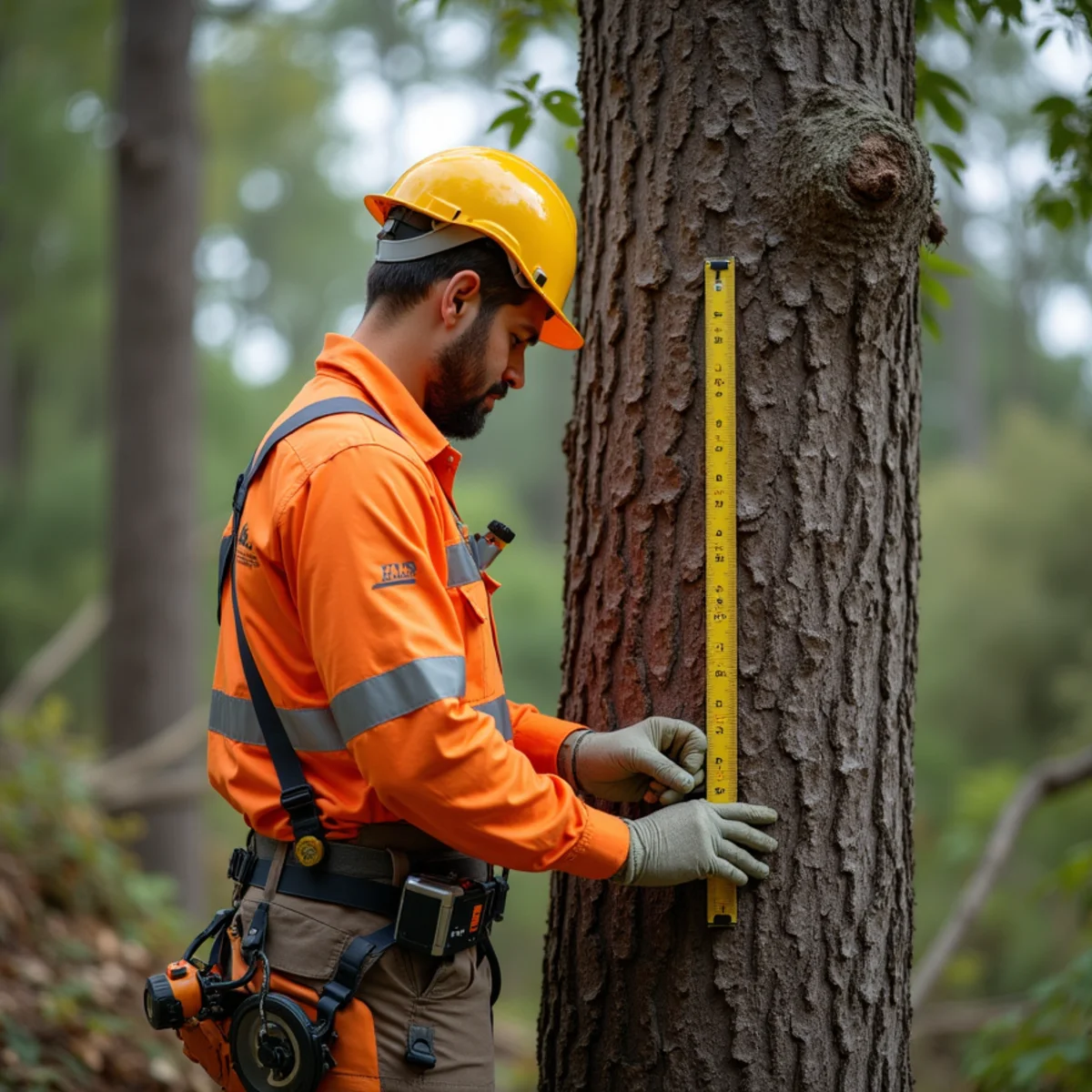
Judging a hollow tree isn't guesswork. The simplest tool is a mallet — a hollow, drum-like sound where the trunk should ring solid reveals a cavity. For a closer look, arborists use probes to gauge the depth of soft wood, and specialized instruments like resistance drills or sonic tomographs can map how much sound wood remains around a cavity.
What matters is the ratio of solid shell to hollow center, and where the thin spots sit relative to the load. A tree can lose a surprising amount of its core and still stand, which is exactly why the measurement — not the visible opening — should drive the decision.
Can a Hollow Oak Be Kept?
Often, yes — for a while, and sometimes for years. If enough sound outer wood remains and the target below is low-consequence, reducing the canopy to cut the sail and the leverage on the trunk can extend a heritage oak's safe life without removing it. Regular monitoring then tracks whether the decay is advancing.
The calculus changes when the sound shell gets thin at the base, a vertical crack meets the cavity, or the tree stands over your house or a gathering spot. At that point the honest move is planned removal before failure — and a good arborist tells you which side of that line your oak is on.
The Bottom Line
A grand old oak can be hollow and still stand for years — or fail tomorrow. The outside signs and the amount of sound wood left tell you which, and that's a judgment worth a professional's eye. If your century-old oak has conks and a basal cavity, call Costeño Tree Services at (855) 615-0568 for a straight assessment.
How Costeño Tree Services Can Help
Related services and areas covered in this article:
Frequently Asked Questions
No. A tree relies on its outer wood for strength and can carry internal decay while remaining stable. The risk depends on how much sound wood remains and where the decay is.
Fungal conks are a strong sign of active internal decay — they're the fruiting bodies of wood-rotting fungi. A tree with conks and a basal cavity deserves a professional assessment.
Sometimes weight-reduction pruning buys years; sometimes removal is the safe call. It depends on the remaining strength and the target below. Call (855) 615-0568 for an honest read.
About the Author
Costeño Tree Services
Costeño Tree Services is a locally owned, fully licensed and insured tree care company serving metro Atlanta since 2019. Our crews perform tree removal, pruning, stump grinding, and 24/7 storm response every day across Fulton, Cobb, DeKalb, and Gwinnett counties, following ANSI A300 pruning practices and ANSI Z133 safety standards. This guide is reviewed and updated as Atlanta rules and conditions change.